Saudi Arabia Flag
A government website registered with the Digital Government Authority.
Live Stream LinkLive Stream
Official Saudi Government websites URL ends with.gov.sa .

Website belongs to an official government organization in the Kingdom ofSaudi Arabia always ends with .gov.sa .

Official Reliable websites useHTTPS

Ensure the website is using the HTTPS protocol.

Dga Logo

Registered on Digital Government Authority:

20250724844

News

General Authority for Statistics News

Image Alt Text

Saudi Arabia has been honored to serve nearly 24 million pilgrims in 10 years

12-09-2017
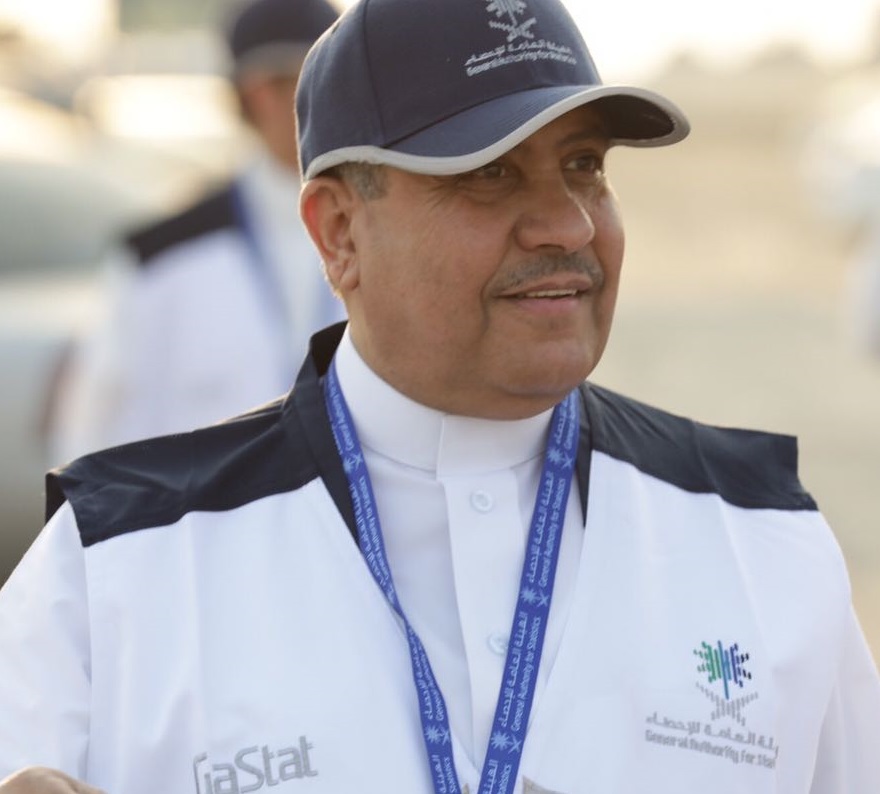
GaStat Enumerates Pilgrims Every Year Saudi Arabia has been honored to serve nearly 24 million pilgrims in 10 years According to the official statistics of the General Authority for Statistics (GaStat), the total number of pilgrims that Saudi Arabia has been honored to serve during the last ten years has reached 23,935,354 pilgrims. The last Hajj season (1437H) recorded the lowest number of pilgrims during the last ten years as it reached 1,862,909 pilgrims. While the year (1433H) recorded the highest number of pilgrims during the last ten years as it reached 3,161,573 pilgrims. The official spokesman of Gastat, Mr.Taiseer Almofarrej, explained that the task of pilgrims enumeration every years is one of the tasks that Gastat has the honor of. It started since 1390H since Gastat was called (the Central Department of statistics), in order to provide accurate information that helps all state agencies in planning and development of everything related to serving Hajj visitors. This mission continued during all these years to witness developments and enhancements in the enumeration techniques every year to be more accurate and comprehensive. Mr. Almofarrej added that the Hajj statistics program aims at the completion of all future planning programs to ensure providing the necessary services needed by the guest of Makkah, whether social, health, security, food, or transportation services. This is done through using a time series of accurate data about the number of pilgrims, in addition to the estimation of labor forces needed for providing the necessary services for pilgrims during Hajj season every year. The data and number of pilgrims is also used by relevant systems who studies the preparations and main facilities in Makkah city and holy places, and take it into consideration when preparing the necessary plans. In addition, accurate data and information about Hajj statistics is provided to researchers, students, and individuals who are interested in this field. The data is also used in the evaluation of activities and events made by relevant entities who serve pilgrims, in addition to identify the method of arrival of domestic and international pilgrims. The official spokesman stressed that GaStat will be announcing the number of pilgrims periodically starting from the 1st of Dhu al-Hijjah. GaStat will also announce the final and official number of pilgrims on the evening of the ninth day of Dhu al-Hijjah through the Hajj statistics bulletin. The Bulletin will include detailed results about: number of domestic pilgrims, international pilgrims, pilgrims by gender, pilgrims by nationality, pilgrims by arrival destination, number of cars carrying pilgrims by type, and other detailed data. It is worth mentioning that the number of pilgrims in the last ten years exceeded 3 Million pilgrims in one time, and it exceeded 6 Million pilgrims 6 times. The number was lower than 2 Million in 3 Hajj seasons, and last year was the lowest according to the following table:
Image Alt Text

Saudi Arabia has been honored to serve nearly 24 million pilgrims in 10 years

12-09-2017

GaStat Enumerates Pilgrims Every Year Saudi Arabia has been honored to serve nearly 24 million pilgrims in 10 years According to the official statistics of the General Authority for Statistics (GaStat), the total number of pilgrims that Saudi Arabia has been honored to serve during the last ten years has reached 23,935,354 pilgrims. The last Hajj season (1437H) recorded the lowest number of pilgrims during the last ten years as it reached 1,862,909 pilgrims. While the year (1433H) recorded the highest number of pilgrims during the last ten years as it reached 3,161,573 pilgrims. The official spokesman of Gastat, Mr.Taiseer Almofarrej, explained that the task of pilgrims enumeration every years is one of the tasks that Gastat has the honor of. It started since 1390H since Gastat was called (the Central Department of statistics), in order to provide accurate information that helps all state agencies in planning and development of everything related to serving Hajj visitors. This mission continued during all these years to witness developments and enhancements in the enumeration techniques every year to be more accurate and comprehensive. Mr. Almofarrej added that the Hajj statistics program aims at the completion of all future planning programs to ensure providing the necessary services needed by the guest of Makkah, whether social, health, security, food, or transportation services. This is done through using a time series of accurate data about the number of pilgrims, in addition to the estimation of labor forces needed for providing the necessary services for pilgrims during Hajj season every year. The data and number of pilgrims is also used by relevant systems who studies the preparations and main facilities in Makkah city and holy places, and take it into consideration when preparing the necessary plans. In addition, accurate data and information about Hajj statistics is provided to researchers, students, and individuals who are interested in this field. The data is also used in the evaluation of activities and events made by relevant entities who serve pilgrims, in addition to identify the method of arrival of domestic and international pilgrims. The official spokesman stressed that GaStat will be announcing the number of pilgrims periodically starting from the 1st of Dhu al-Hijjah. GaStat will also announce the final and official number of pilgrims on the evening of the ninth day of Dhu al-Hijjah through the Hajj statistics bulletin. The Bulletin will include detailed results about: number of domestic pilgrims, international pilgrims, pilgrims by gender, pilgrims by nationality, pilgrims by arrival destination, number of cars carrying pilgrims by type, and other detailed data. It is worth mentioning that the number of pilgrims in the last ten years exceeded 3 Million pilgrims in one time, and it exceeded 6 Million pilgrims 6 times. The number was lower than 2 Million in 3 Hajj seasons, and last year was the lowest according to the following table:
Image Alt Text

GASTAT: Final announcement of the number of Pilgrims 1438 comes after sunset on the day of Arafah

12-09-2017

A detailed report on Hajj statistics featuring 40 key statistical outputs to be released following the official announcement
The General Authority for Statistics (GASTAT): Final Count of Hajj Pilgrims for 1438 AH to Be Announced After Sunset on the Day of Arafah
 GASTAT has announced that the counting and enumeration of pilgrims for the 1438 AH Hajj season, through the official entry points to the city of Makkah, will conclude at 6:30 PM, coinciding with sunset on Thursday, the ninth of Dhul-Hijjah (Day of Arafah). The final announcement of the total number of pilgrims and the release of the detailed Hajj statistics report will follow a few hours later, the same evening.
Mr. Abdullah Al-Batel, Deputy President of the Authority for Statistical Operations, confirmed that the Hajj Statistics Report, which will be issued shortly after the official announcement, will include forty principal statistical outputs intended to support strategic planning for serving the pilgrims and visitors to the Two Holy Mosques. He explained that the report provides comprehensive and accurate data on the number of pilgrims, classified by their methods and dates of arrival, and includes a variety of analytical tables and charts presenting figures such as the number of domestic pilgrims by gender and arrival method, the arrival patterns of Saudi pilgrims, the breakdown of non-Saudi domestic pilgrims by gender and nationality, their distribution by arrival method and nationality, and comparative figures across different nationalities. The report also details the number of vehicles used to transport domestic pilgrims to Makkah, organized by vehicle type and date of arrival. Furthermore, it presents data on international pilgrims by gender and arrival method, by gender and date of arrival, as well as comparative statistics on their methods of arrival. This information will be made available in multiple formats, including the Hajj Statistical Map, which allows users to easily access all data related to Hajj statistics.
Mr. Al-Batel further emphasized that the Hajj Statistics Program, implemented by GASTAT, aims to provide detailed and reliable data on the number of pilgrims from both inside and outside the Kingdom. These statistics serve as a foundational input for all relevant government entities to support future planning and ensure the delivery of essential services to pilgrims, including those related to social, health, security, food, and transportation sectors. The program relies on time-series data to estimate the manpower required to serve pilgrims and ensure their safety and comfort throughout the Hajj season. It also provides essential insights into infrastructure and facility needs in Makkah and the Holy Sites, which are considered when preparing development plans. In addition, the program contributes to the design of annual traffic management plans, including the phases of escalation and dispersal, and supports researchers, academics, and stakeholders interested in this field. It also assists in evaluating the efforts of various entities responsible for serving pilgrims and monitoring changes in arrival patterns.
In response to inquiries regarding the scope of enumeration and whether it includes drivers of vehicles and buses, Mr. Al-Batel clarified that the official unit of counting in Hajj statistics is the pilgrim in the state of Ihram. Accordingly, the enumeration of domestic pilgrims is limited to those in Ihram who are physically counted at the Hajj Statistics Centers located at the entrances to the city of Makkah. If a driver is in a state of Ihram, he is counted as a pilgrim. The enumeration includes all Saudi and non-Saudi individuals, male and female, arriving from within the Kingdom to perform Hajj. As for international pilgrims, they are counted by the General Directorate of Passports at the Kingdom’s official ports of entry, and their figures are subsequently provided to GASTAT to be added to the total number of pilgrims.

 

Image Alt Text

GASTAT: Final announcement of the number of Pilgrims 1438 comes after sunset on the day of Arafah

12-09-2017

A detailed report on Hajj statistics featuring 40 key statistical outputs to be released following the official announcement
The General Authority for Statistics (GASTAT): Final Count of Hajj Pilgrims for 1438 AH to Be Announced After Sunset on the Day of Arafah
 GASTAT has announced that the counting and enumeration of pilgrims for the 1438 AH Hajj season, through the official entry points to the city of Makkah, will conclude at 6:30 PM, coinciding with sunset on Thursday, the ninth of Dhul-Hijjah (Day of Arafah). The final announcement of the total number of pilgrims and the release of the detailed Hajj statistics report will follow a few hours later, the same evening.
Mr. Abdullah Al-Batel, Deputy President of the Authority for Statistical Operations, confirmed that the Hajj Statistics Report, which will be issued shortly after the official announcement, will include forty principal statistical outputs intended to support strategic planning for serving the pilgrims and visitors to the Two Holy Mosques. He explained that the report provides comprehensive and accurate data on the number of pilgrims, classified by their methods and dates of arrival, and includes a variety of analytical tables and charts presenting figures such as the number of domestic pilgrims by gender and arrival method, the arrival patterns of Saudi pilgrims, the breakdown of non-Saudi domestic pilgrims by gender and nationality, their distribution by arrival method and nationality, and comparative figures across different nationalities. The report also details the number of vehicles used to transport domestic pilgrims to Makkah, organized by vehicle type and date of arrival. Furthermore, it presents data on international pilgrims by gender and arrival method, by gender and date of arrival, as well as comparative statistics on their methods of arrival. This information will be made available in multiple formats, including the Hajj Statistical Map, which allows users to easily access all data related to Hajj statistics.
Mr. Al-Batel further emphasized that the Hajj Statistics Program, implemented by GASTAT, aims to provide detailed and reliable data on the number of pilgrims from both inside and outside the Kingdom. These statistics serve as a foundational input for all relevant government entities to support future planning and ensure the delivery of essential services to pilgrims, including those related to social, health, security, food, and transportation sectors. The program relies on time-series data to estimate the manpower required to serve pilgrims and ensure their safety and comfort throughout the Hajj season. It also provides essential insights into infrastructure and facility needs in Makkah and the Holy Sites, which are considered when preparing development plans. In addition, the program contributes to the design of annual traffic management plans, including the phases of escalation and dispersal, and supports researchers, academics, and stakeholders interested in this field. It also assists in evaluating the efforts of various entities responsible for serving pilgrims and monitoring changes in arrival patterns.
In response to inquiries regarding the scope of enumeration and whether it includes drivers of vehicles and buses, Mr. Al-Batel clarified that the official unit of counting in Hajj statistics is the pilgrim in the state of Ihram. Accordingly, the enumeration of domestic pilgrims is limited to those in Ihram who are physically counted at the Hajj Statistics Centers located at the entrances to the city of Makkah. If a driver is in a state of Ihram, he is counted as a pilgrim. The enumeration includes all Saudi and non-Saudi individuals, male and female, arriving from within the Kingdom to perform Hajj. As for international pilgrims, they are counted by the General Directorate of Passports at the Kingdom’s official ports of entry, and their figures are subsequently provided to GASTAT to be added to the total number of pilgrims.


Image Alt Text

Dr. Altekhaifi: GaStat works on enhancing the national and international collaborations to raise the data quality and support decision and policy makers

12-09-2017
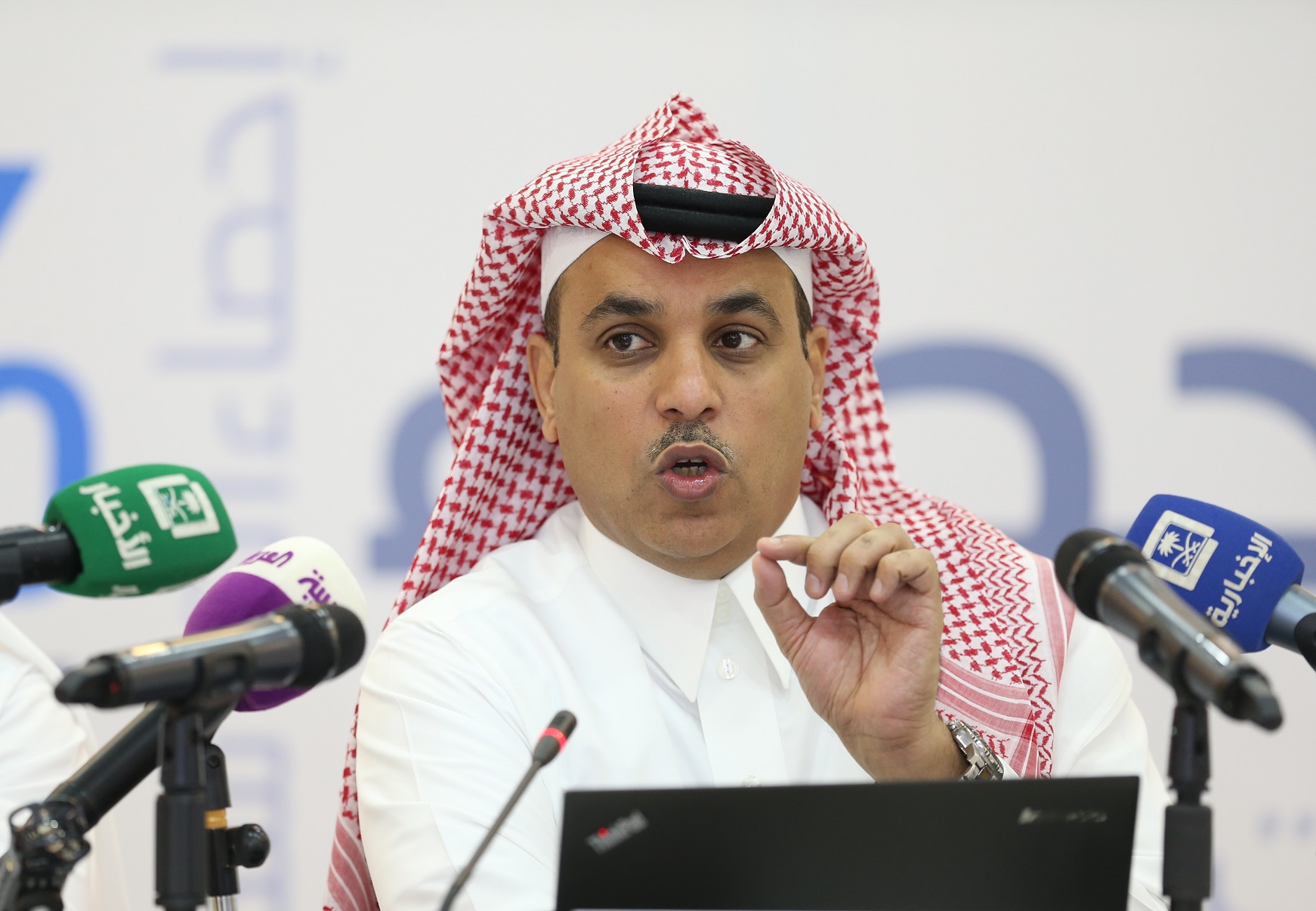
Participating with 40 countries in the International Association for Official Statistics  (IAOS) conference Dr. Altekhaifi: GaStat works on enhancing the national and international collaborations to raise the data quality and support decision and policy makers GaStat participates in IAOS conference 2016 (round 15) Under the Patronage of H.H. Sheikh  Hazza bin Zayed Al Nahyan, Vice chairman of Abu Dhabi executive council. The conference is organized by Statistics Center in Abu Dhabi. The main theme of the IAOS 2016 conference is "The Spirit of Official Statistics: Partnership and Continuous Innovation". The conference activities will conclude on December- 8-2016.  Dr. fahad bin Sulaiman Altekhaifi, GaStat president, said that the authority keeps enhancing its experience and raising the data quality through an integrated program for all local, regional, and international collaborations, in addition to following the best international practices in order to provide comprehensive and high-quality statistical data that support policy and decision maker. He revealed that the strategic collaboration program is an essential part of the statistical sector' strategic transformation program in Saudi Arabia. GaStat worked on preparing a transformation map in the statistical work. This map included a number of projects and initiatives that cope with the 2020 national transformation program and 2030 Saudi vision. The statistical transformation project depended on three main dimensions; quality of statistical products, concentrating on clients, and activating the statistical sector. Using these three dimensions, GaStat went through six main tracks represented in reformulating the authority tendencies in a way that achieves the goals and  reflects the clients tendency, reevaluating the products and services provided by the authority, determining the required operating activities to provide products and services according to clients needs, enhancing the technical part in the authority, modifying culture and developing statistical awareness, in addition to assuring the existence of the organizational structure and the governance to make a transformation. Each track has a group of projects and initiatives that are integrated with each other, so that they can contribute in implementing the strategic transformation program. These projects and initiatives aim at activating the statistical part, evaluating the products and services, and developing methodologies, standards, and classifications. This can be achieved after preparing the authority administratively, financially,  technically, and systematically  to pursue in the transformation process. In addition to raising the statistical awareness and culture among all users of data, information, and statistics.  On the other hand, Dr. Fahad asserted that IAOS conference was held in a time, during which all GCC statistical entities work together to achieve the vision of the custodian of the two holly mosques that enhances integration between GCC countries, improves GCC statistical performance, and meets the leaders expectations. All GCC statistical entities work on supporting the integrated work especially the collaboration between them, so that they can deal with all GCC essential issues.   GaStat participation in this conference represents its belief in collaboration and how it develops the statistical work and raises awareness among all producers and users of data. Moreover, it identifies the importance of official statistics and how they support the developmental resolutions in the region.  Altekhaifi clarified that GaStat along with all GCC statistical entities are trying to enhance and develop the concept of official statistics so that they reach an excellent level of efficiency. Furthermore, they enhance the value of official statistics in the information community. They also enhance collaborations, innovation, and national statistical system update.  H.E. expressed his gratitude for the great hospitality of Abu Dhabi in this conference. It is the first country in the region that organizes an IAOS conference, as this conference is held every two years by one of the IAOS members. So, this assured the GCC statistical entities role in the region.  It is worth mentioning that the 15th round of the conference depends on four main aspects, about which all sessions are conducted. The aspects are: enhancing the value of official statistics in the information community, making collaborations to achieve results, innovation and updating national statistical systems, and following the main principals in the statistical work practice.
Image Alt Text

Dr. Altekhaifi: GaStat works on enhancing the national and international collaborations to raise the data quality and support decision and policy makers

12-09-2017

Participating with 40 countries in the International Association for Official Statistics  (IAOS) conference Dr. Altekhaifi: GaStat works on enhancing the national and international collaborations to raise the data quality and support decision and policy makers GaStat participates in IAOS conference 2016 (round 15) Under the Patronage of H.H. Sheikh  Hazza bin Zayed Al Nahyan, Vice chairman of Abu Dhabi executive council. The conference is organized by Statistics Center in Abu Dhabi. The main theme of the IAOS 2016 conference is "The Spirit of Official Statistics: Partnership and Continuous Innovation". The conference activities will conclude on December- 8-2016.  Dr. fahad bin Sulaiman Altekhaifi, GaStat president, said that the authority keeps enhancing its experience and raising the data quality through an integrated program for all local, regional, and international collaborations, in addition to following the best international practices in order to provide comprehensive and high-quality statistical data that support policy and decision maker. He revealed that the strategic collaboration program is an essential part of the statistical sector' strategic transformation program in Saudi Arabia. GaStat worked on preparing a transformation map in the statistical work. This map included a number of projects and initiatives that cope with the 2020 national transformation program and 2030 Saudi vision. The statistical transformation project depended on three main dimensions; quality of statistical products, concentrating on clients, and activating the statistical sector. Using these three dimensions, GaStat went through six main tracks represented in reformulating the authority tendencies in a way that achieves the goals and  reflects the clients tendency, reevaluating the products and services provided by the authority, determining the required operating activities to provide products and services according to clients needs, enhancing the technical part in the authority, modifying culture and developing statistical awareness, in addition to assuring the existence of the organizational structure and the governance to make a transformation. Each track has a group of projects and initiatives that are integrated with each other, so that they can contribute in implementing the strategic transformation program. These projects and initiatives aim at activating the statistical part, evaluating the products and services, and developing methodologies, standards, and classifications. This can be achieved after preparing the authority administratively, financially,  technically, and systematically  to pursue in the transformation process. In addition to raising the statistical awareness and culture among all users of data, information, and statistics.  On the other hand, Dr. Fahad asserted that IAOS conference was held in a time, during which all GCC statistical entities work together to achieve the vision of the custodian of the two holly mosques that enhances integration between GCC countries, improves GCC statistical performance, and meets the leaders expectations. All GCC statistical entities work on supporting the integrated work especially the collaboration between them, so that they can deal with all GCC essential issues.   GaStat participation in this conference represents its belief in collaboration and how it develops the statistical work and raises awareness among all producers and users of data. Moreover, it identifies the importance of official statistics and how they support the developmental resolutions in the region.  Altekhaifi clarified that GaStat along with all GCC statistical entities are trying to enhance and develop the concept of official statistics so that they reach an excellent level of efficiency. Furthermore, they enhance the value of official statistics in the information community. They also enhance collaborations, innovation, and national statistical system update.  H.E. expressed his gratitude for the great hospitality of Abu Dhabi in this conference. It is the first country in the region that organizes an IAOS conference, as this conference is held every two years by one of the IAOS members. So, this assured the GCC statistical entities role in the region.  It is worth mentioning that the 15th round of the conference depends on four main aspects, about which all sessions are conducted. The aspects are: enhancing the value of official statistics in the information community, making collaborations to achieve results, innovation and updating national statistical systems, and following the main principals in the statistical work practice.
Image Alt Text

GaStat launches more than 45 new statistical products

12-09-2017

Image Alt Text

GaStat launches more than 45 new statistical products

12-09-2017

Image Alt Text

Saudi Arabia has been honored to serve nearly 24 million pilgrims in 10 years

12-09-2017

GaStat Enumerates Pilgrims Every Year Saudi Arabia has been honored to serve nearly 24 million pilgrims in 10 years According to the official statistics of the General Authority for Statistics (GaStat), the total number of pilgrims that Saudi Arabia has been honored to serve during the last ten years has reached 23,935,354 pilgrims. The last Hajj season (1437H) recorded the lowest number of pilgrims during the last ten years as it reached 1,862,909 pilgrims. While the year (1433H) recorded the highest number of pilgrims during the last ten years as it reached 3,161,573 pilgrims. The official spokesman of Gastat, Mr.Taiseer Almofarrej, explained that the task of pilgrims enumeration every years is one of the tasks that Gastat has the honor of. It started since 1390H since Gastat was called (the Central Department of statistics), in order to provide accurate information that helps all state agencies in planning and development of everything related to serving Hajj visitors. This mission continued during all these years to witness developments and enhancements in the enumeration techniques every year to be more accurate and comprehensive. Mr. Almofarrej added that the Hajj statistics program aims at the completion of all future planning programs to ensure providing the necessary services needed by the guest of Makkah, whether social, health, security, food, or transportation services. This is done through using a time series of accurate data about the number of pilgrims, in addition to the estimation of labor forces needed for providing the necessary services for pilgrims during Hajj season every year. The data and number of pilgrims is also used by relevant systems who studies the preparations and main facilities in Makkah city and holy places, and take it into consideration when preparing the necessary plans. In addition, accurate data and information about Hajj statistics is provided to researchers, students, and individuals who are interested in this field. The data is also used in the evaluation of activities and events made by relevant entities who serve pilgrims, in addition to identify the method of arrival of domestic and international pilgrims. The official spokesman stressed that GaStat will be announcing the number of pilgrims periodically starting from the 1st of Dhu al-Hijjah. GaStat will also announce the final and official number of pilgrims on the evening of the ninth day of Dhu al-Hijjah through the Hajj statistics bulletin. The Bulletin will include detailed results about: number of domestic pilgrims, international pilgrims, pilgrims by gender, pilgrims by nationality, pilgrims by arrival destination, number of cars carrying pilgrims by type, and other detailed data. It is worth mentioning that the number of pilgrims in the last ten years exceeded 3 Million pilgrims in one time, and it exceeded 6 Million pilgrims 6 times. The number was lower than 2 Million in 3 Hajj seasons, and last year was the lowest according to the following table:
Image Alt Text

GASTAT: Final announcement of the number of Pilgrims 1438 comes after sunset on the day of Arafah

12-09-2017

A detailed report on Hajj statistics featuring 40 key statistical outputs to be released following the official announcement
The General Authority for Statistics (GASTAT): Final Count of Hajj Pilgrims for 1438 AH to Be Announced After Sunset on the Day of Arafah
 GASTAT has announced that the counting and enumeration of pilgrims for the 1438 AH Hajj season, through the official entry points to the city of Makkah, will conclude at 6:30 PM, coinciding with sunset on Thursday, the ninth of Dhul-Hijjah (Day of Arafah). The final announcement of the total number of pilgrims and the release of the detailed Hajj statistics report will follow a few hours later, the same evening.
Mr. Abdullah Al-Batel, Deputy President of the Authority for Statistical Operations, confirmed that the Hajj Statistics Report, which will be issued shortly after the official announcement, will include forty principal statistical outputs intended to support strategic planning for serving the pilgrims and visitors to the Two Holy Mosques. He explained that the report provides comprehensive and accurate data on the number of pilgrims, classified by their methods and dates of arrival, and includes a variety of analytical tables and charts presenting figures such as the number of domestic pilgrims by gender and arrival method, the arrival patterns of Saudi pilgrims, the breakdown of non-Saudi domestic pilgrims by gender and nationality, their distribution by arrival method and nationality, and comparative figures across different nationalities. The report also details the number of vehicles used to transport domestic pilgrims to Makkah, organized by vehicle type and date of arrival. Furthermore, it presents data on international pilgrims by gender and arrival method, by gender and date of arrival, as well as comparative statistics on their methods of arrival. This information will be made available in multiple formats, including the Hajj Statistical Map, which allows users to easily access all data related to Hajj statistics.
Mr. Al-Batel further emphasized that the Hajj Statistics Program, implemented by GASTAT, aims to provide detailed and reliable data on the number of pilgrims from both inside and outside the Kingdom. These statistics serve as a foundational input for all relevant government entities to support future planning and ensure the delivery of essential services to pilgrims, including those related to social, health, security, food, and transportation sectors. The program relies on time-series data to estimate the manpower required to serve pilgrims and ensure their safety and comfort throughout the Hajj season. It also provides essential insights into infrastructure and facility needs in Makkah and the Holy Sites, which are considered when preparing development plans. In addition, the program contributes to the design of annual traffic management plans, including the phases of escalation and dispersal, and supports researchers, academics, and stakeholders interested in this field. It also assists in evaluating the efforts of various entities responsible for serving pilgrims and monitoring changes in arrival patterns.
In response to inquiries regarding the scope of enumeration and whether it includes drivers of vehicles and buses, Mr. Al-Batel clarified that the official unit of counting in Hajj statistics is the pilgrim in the state of Ihram. Accordingly, the enumeration of domestic pilgrims is limited to those in Ihram who are physically counted at the Hajj Statistics Centers located at the entrances to the city of Makkah. If a driver is in a state of Ihram, he is counted as a pilgrim. The enumeration includes all Saudi and non-Saudi individuals, male and female, arriving from within the Kingdom to perform Hajj. As for international pilgrims, they are counted by the General Directorate of Passports at the Kingdom’s official ports of entry, and their figures are subsequently provided to GASTAT to be added to the total number of pilgrims.


Image Alt Text

Dr. Altekhaifi: GaStat works on enhancing the national and international collaborations to raise the data quality and support decision and policy makers

12-09-2017

Participating with 40 countries in the International Association for Official Statistics  (IAOS) conference Dr. Altekhaifi: GaStat works on enhancing the national and international collaborations to raise the data quality and support decision and policy makers GaStat participates in IAOS conference 2016 (round 15) Under the Patronage of H.H. Sheikh  Hazza bin Zayed Al Nahyan, Vice chairman of Abu Dhabi executive council. The conference is organized by Statistics Center in Abu Dhabi. The main theme of the IAOS 2016 conference is "The Spirit of Official Statistics: Partnership and Continuous Innovation". The conference activities will conclude on December- 8-2016.  Dr. fahad bin Sulaiman Altekhaifi, GaStat president, said that the authority keeps enhancing its experience and raising the data quality through an integrated program for all local, regional, and international collaborations, in addition to following the best international practices in order to provide comprehensive and high-quality statistical data that support policy and decision maker. He revealed that the strategic collaboration program is an essential part of the statistical sector' strategic transformation program in Saudi Arabia. GaStat worked on preparing a transformation map in the statistical work. This map included a number of projects and initiatives that cope with the 2020 national transformation program and 2030 Saudi vision. The statistical transformation project depended on three main dimensions; quality of statistical products, concentrating on clients, and activating the statistical sector. Using these three dimensions, GaStat went through six main tracks represented in reformulating the authority tendencies in a way that achieves the goals and  reflects the clients tendency, reevaluating the products and services provided by the authority, determining the required operating activities to provide products and services according to clients needs, enhancing the technical part in the authority, modifying culture and developing statistical awareness, in addition to assuring the existence of the organizational structure and the governance to make a transformation. Each track has a group of projects and initiatives that are integrated with each other, so that they can contribute in implementing the strategic transformation program. These projects and initiatives aim at activating the statistical part, evaluating the products and services, and developing methodologies, standards, and classifications. This can be achieved after preparing the authority administratively, financially,  technically, and systematically  to pursue in the transformation process. In addition to raising the statistical awareness and culture among all users of data, information, and statistics.  On the other hand, Dr. Fahad asserted that IAOS conference was held in a time, during which all GCC statistical entities work together to achieve the vision of the custodian of the two holly mosques that enhances integration between GCC countries, improves GCC statistical performance, and meets the leaders expectations. All GCC statistical entities work on supporting the integrated work especially the collaboration between them, so that they can deal with all GCC essential issues.   GaStat participation in this conference represents its belief in collaboration and how it develops the statistical work and raises awareness among all producers and users of data. Moreover, it identifies the importance of official statistics and how they support the developmental resolutions in the region.  Altekhaifi clarified that GaStat along with all GCC statistical entities are trying to enhance and develop the concept of official statistics so that they reach an excellent level of efficiency. Furthermore, they enhance the value of official statistics in the information community. They also enhance collaborations, innovation, and national statistical system update.  H.E. expressed his gratitude for the great hospitality of Abu Dhabi in this conference. It is the first country in the region that organizes an IAOS conference, as this conference is held every two years by one of the IAOS members. So, this assured the GCC statistical entities role in the region.  It is worth mentioning that the 15th round of the conference depends on four main aspects, about which all sessions are conducted. The aspects are: enhancing the value of official statistics in the information community, making collaborations to achieve results, innovation and updating national statistical systems, and following the main principals in the statistical work practice.
Image Alt Text

GaStat launches more than 45 new statistical products

12-09-2017

Sort