Saudi Arabia Flag
A government website registered with the Digital Government Authority.
Live Stream LinkLive Stream
Official Saudi Government websites URL ends with.gov.sa .

Website belongs to an official government organization in the Kingdom ofSaudi Arabia always ends with .gov.sa .

Official Reliable websites useHTTPS

Ensure the website is using the HTTPS protocol.

Dga Logo

Registered on Digital Government Authority:

20250724844

News

General Authority for Statistics News

Image Alt Text

Collaboration between GsStat and the private sector to develop statistical work

12-09-2017
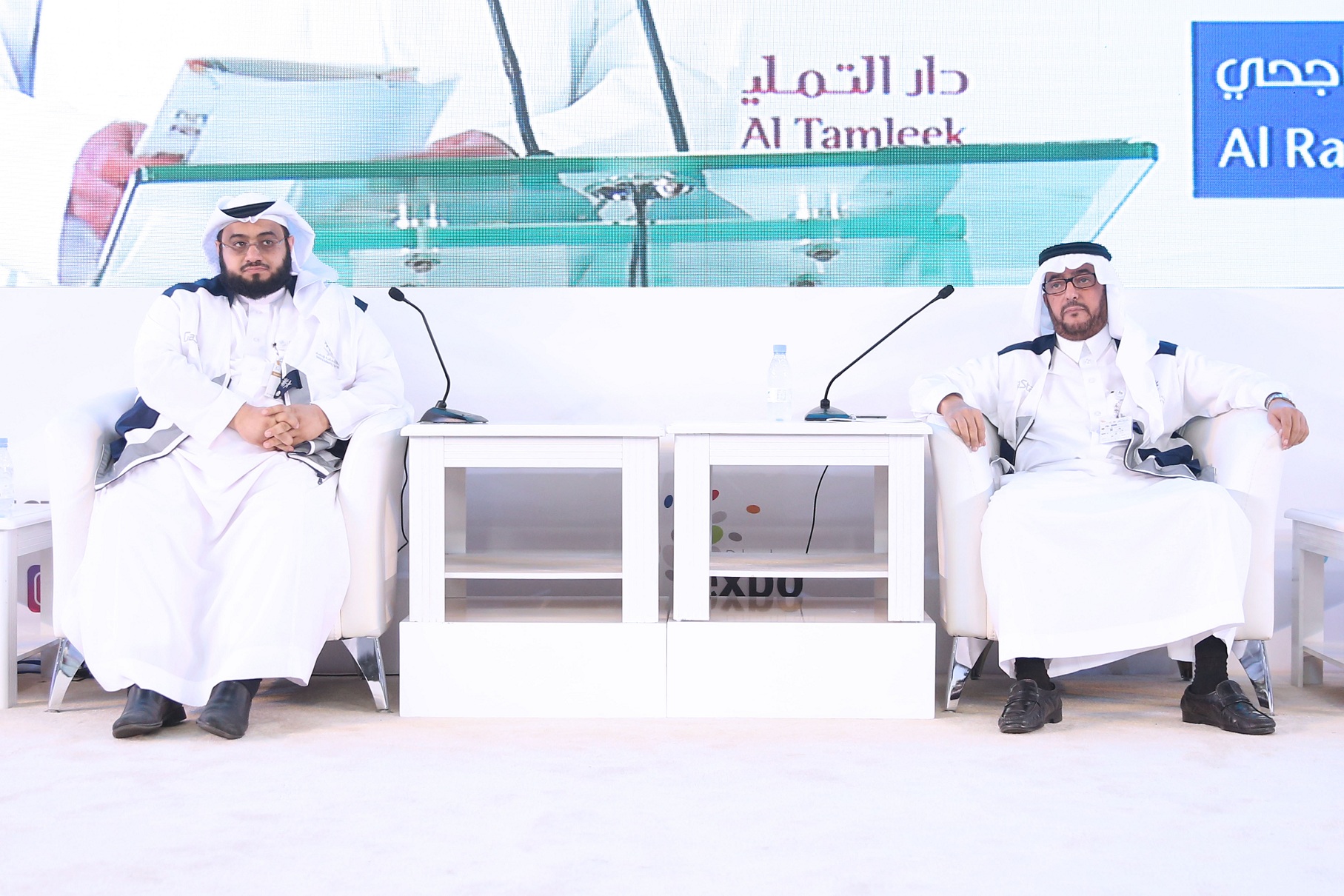
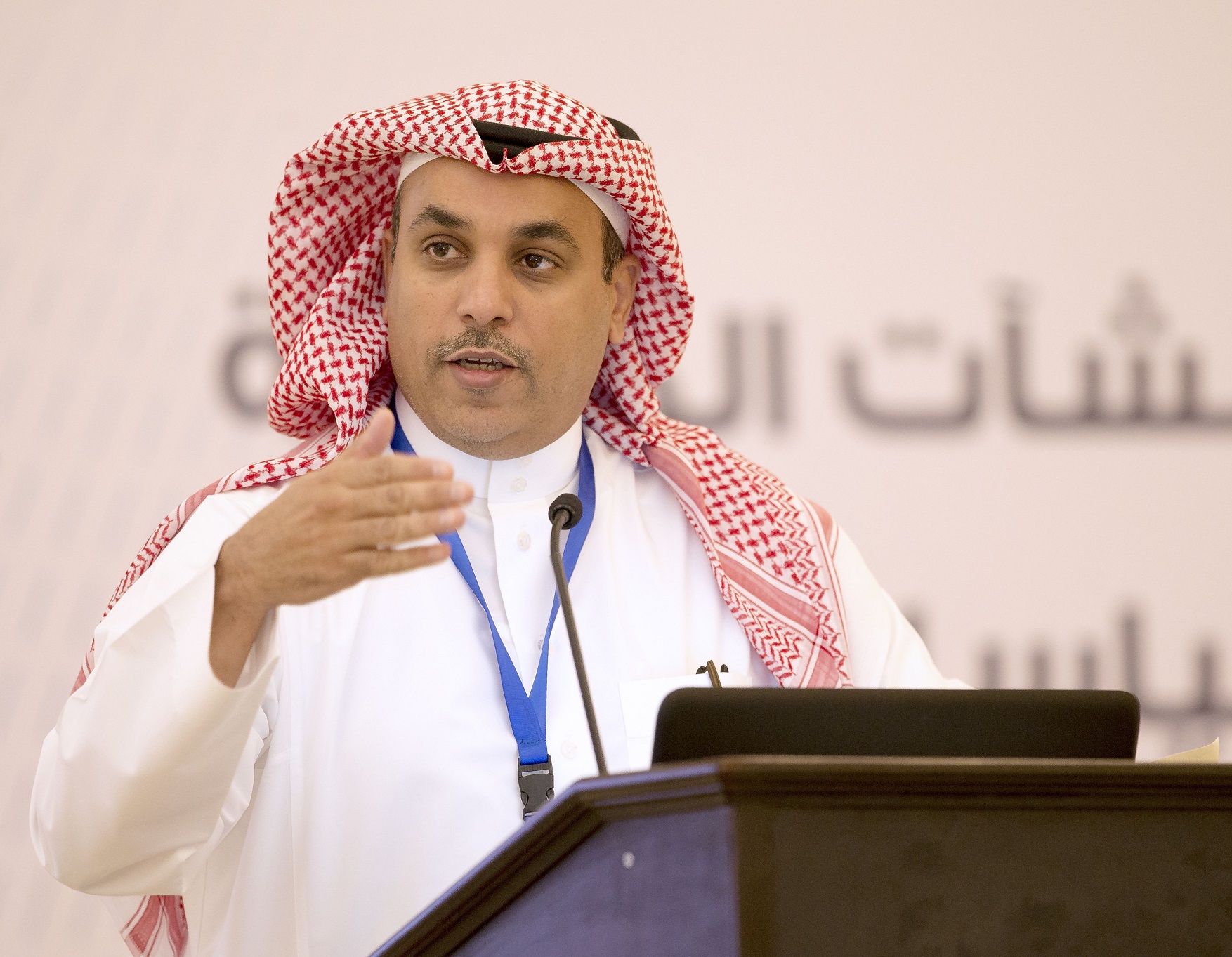
announcing (6) new economic surveys to support development Collaboration between GsStat and the private sector to develop statistical work GaStat revealed new economic surveys to be implemented this year and next year. These surveys aim at fulfilling the development needs, they include: insurance activity survey, direct foreign investment survey, intermediate and small establishments survey, retail activity survey, non-profit sector survey, and tourism survey.  This was mentioned in the second workshop held by GaStat yesterday (Monday) 13th February 2017 in Jeddah. HE dr. Fahad bin Sulaiman Altekhaifi, GaStat president, said that the private sector is an essential partner in the national development. He added, it integrates all public sectors and institutions in a way that strengthens the national economy. The collaboration between "statistics" and the private sector is part of the developmental movements which aim at achieving the 2030 Saudi vision and representing that with indicators that reflect the progress in the achievement of this vision. The role of GaStat, statistical national commission, and the statistical sector in general became more important now as the need for accurate statistical data, effective indicators, and measurement tools increased. Dr. Fahad indicated that one of the most important stages that GaStat works on these days is meeting the clients' needs whether from the public or private sector. It also works on establishing effective collaborations locally, nationally, and internationally with related parties. In addition to creating indicators necessary for current and future needs. GaStat works with its partners on unifying the information sources, facilitating their access, and providing innovative statistical products with international standards.   On the other hand, Mrs. Kholoud Aldakhail, the national statistical commission chairman, stated that the commission was established under the umbrella of the council of Saudi chambers based on the Saudi chambers board resolution number 13 /88/m issued in 15/6/1437 H as response to the ministry of economy and planning and GaStat request. This reflects GaStat initiative to make the private sector a collaborative sector. She asserted that the role of this committee, which include 23 members who work in the field of statistics, data, and information, is represented in the coordination with Saudi chambers of commerce all over Saudi Arabia. The coordination will be about statistical work activation, data exchange, and proposing methods to enhance the statistical work impacts on the private sector. Furthermore, it deals with elaborating the use of statistics in private sector, deepen relations between GaStat and Saudi chambers of commerce.  The workshop discussed two main themes; the requirements of data users in the private sector as one of the statistical sector components, determining required additional data by activity, and the proposed methods to develop the mechanism of data collection from the private sector institutions. GaStat has presented the economic surveys and the new surveys that will be implemented by them during these two years. They also presented the six tracks based on which the authority work which can be summarized in; a work strategy about the authority clients and partners to fulfill the actual need of statistical products, then developing these products and services and improving the statistical operations and methodologies. Also, raising the level of information technology and digital infrastructure to enable products to start from a strong base that can be adapted with any change. Moreover, focusing on raising statistical awareness, and building capabilities in the statistical field. In addition to structuring all GaStat tasks and departments.  At the end of the workshop, dr. Fahad expressed his thanks to all the participants. He asserted that the workshop outputs will contribute in enhancing the effectiveness of the decisions made by the private sector and its policy makers for the citizen's advantage and society economies which enhance his role in the domestic product growth, and guarantee making proper decisions based on accurate data to facilitate measuring their result and reflections.
Image Alt Text

Collaboration between GsStat and the private sector to develop statistical work

12-09-2017

announcing (6) new economic surveys to support development Collaboration between GsStat and the private sector to develop statistical work GaStat revealed new economic surveys to be implemented this year and next year. These surveys aim at fulfilling the development needs, they include: insurance activity survey, direct foreign investment survey, intermediate and small establishments survey, retail activity survey, non-profit sector survey, and tourism survey.  This was mentioned in the second workshop held by GaStat yesterday (Monday) 13th February 2017 in Jeddah. HE dr. Fahad bin Sulaiman Altekhaifi, GaStat president, said that the private sector is an essential partner in the national development. He added, it integrates all public sectors and institutions in a way that strengthens the national economy. The collaboration between "statistics" and the private sector is part of the developmental movements which aim at achieving the 2030 Saudi vision and representing that with indicators that reflect the progress in the achievement of this vision. The role of GaStat, statistical national commission, and the statistical sector in general became more important now as the need for accurate statistical data, effective indicators, and measurement tools increased. Dr. Fahad indicated that one of the most important stages that GaStat works on these days is meeting the clients' needs whether from the public or private sector. It also works on establishing effective collaborations locally, nationally, and internationally with related parties. In addition to creating indicators necessary for current and future needs. GaStat works with its partners on unifying the information sources, facilitating their access, and providing innovative statistical products with international standards.   On the other hand, Mrs. Kholoud Aldakhail, the national statistical commission chairman, stated that the commission was established under the umbrella of the council of Saudi chambers based on the Saudi chambers board resolution number 13 /88/m issued in 15/6/1437 H as response to the ministry of economy and planning and GaStat request. This reflects GaStat initiative to make the private sector a collaborative sector. She asserted that the role of this committee, which include 23 members who work in the field of statistics, data, and information, is represented in the coordination with Saudi chambers of commerce all over Saudi Arabia. The coordination will be about statistical work activation, data exchange, and proposing methods to enhance the statistical work impacts on the private sector. Furthermore, it deals with elaborating the use of statistics in private sector, deepen relations between GaStat and Saudi chambers of commerce.  The workshop discussed two main themes; the requirements of data users in the private sector as one of the statistical sector components, determining required additional data by activity, and the proposed methods to develop the mechanism of data collection from the private sector institutions. GaStat has presented the economic surveys and the new surveys that will be implemented by them during these two years. They also presented the six tracks based on which the authority work which can be summarized in; a work strategy about the authority clients and partners to fulfill the actual need of statistical products, then developing these products and services and improving the statistical operations and methodologies. Also, raising the level of information technology and digital infrastructure to enable products to start from a strong base that can be adapted with any change. Moreover, focusing on raising statistical awareness, and building capabilities in the statistical field. In addition to structuring all GaStat tasks and departments.  At the end of the workshop, dr. Fahad expressed his thanks to all the participants. He asserted that the workshop outputs will contribute in enhancing the effectiveness of the decisions made by the private sector and its policy makers for the citizen's advantage and society economies which enhance his role in the domestic product growth, and guarantee making proper decisions based on accurate data to facilitate measuring their result and reflections.
Image Alt Text

GaStat launches real estate index indicator

12-09-2017
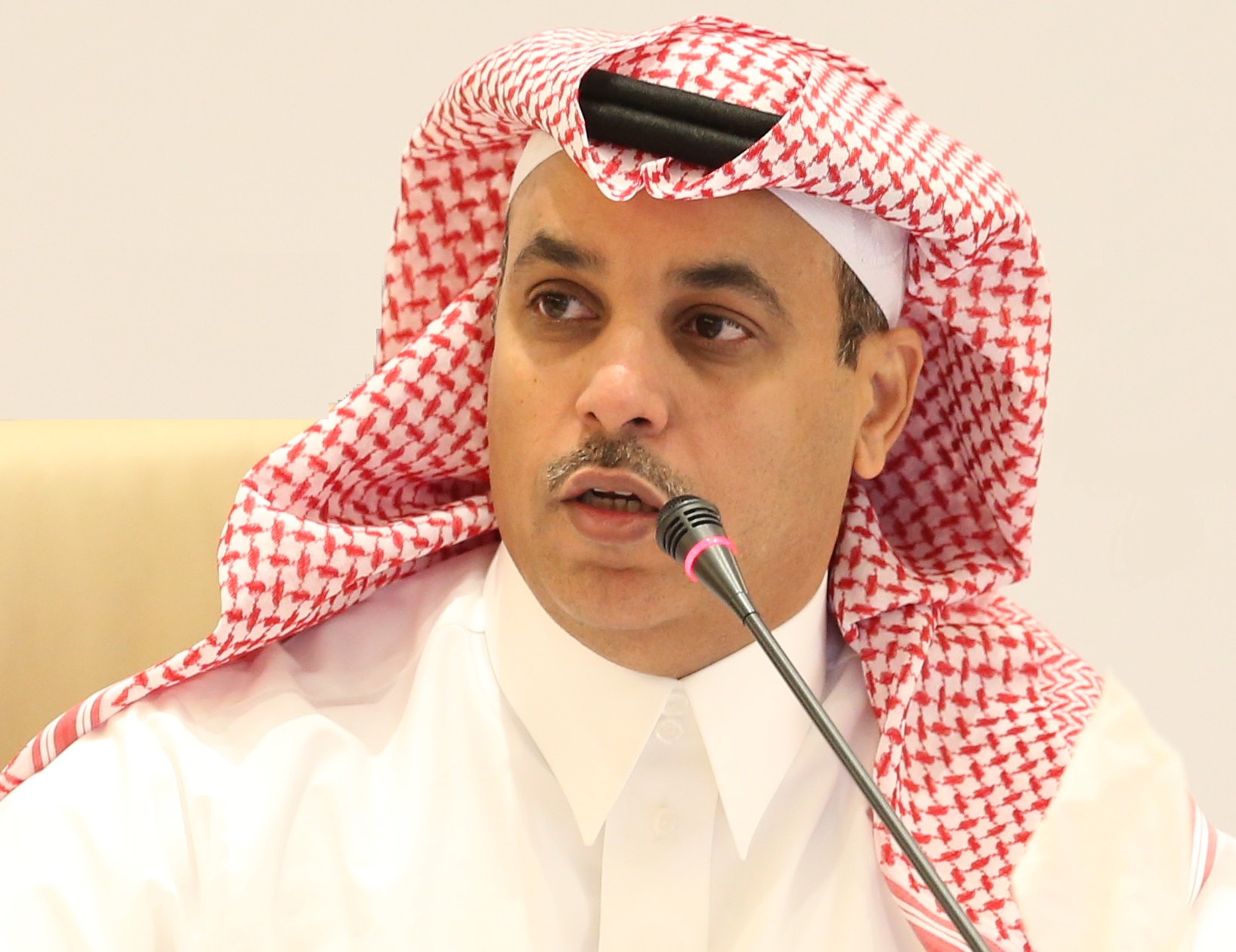
Based on ministry of justice registry data GaStat launches real estate index indicator On Monday 18 Rabe'a second 1438 H corresponding 16 January 2017, GaStat launched the Saudi real estate index indicator. This indicator is based on available registry data of the ministry of justice that is about real estate transactions in 2015 and 2016. GaStat described this indicator as an essential tool that supports entities which make economic and statistical decisions  associated with real estate price movements and future expectations during different periods of time. The indicator includes three main sectors composed of many real estate classes: residential sector ( piece of land, building, villa, apartment, and house) , commercial sector (piece of land, building, shop, and commercial center), and agricultural sector ( agricultural lands).  Real estate price index indicator showed a decrease in the Saudi real estate prices in 2016 compared to 2015 and 2014. The indicator registered a decrease of (6.1%) compared to 2015. Whereas it registered a decrease of (8.5%) compared to 2014. During the fourth quarter of 2016, this indicator recorded a decrease of ( 3.5%) compared to the previous quarter. However, it recorded a decrease of (8.7%) compared to the same quarter of 2015.  The report attributed the decrease in the fourth quarter of 2016 (compared to the previous quarter) to the decrease in all composing sectors: commercial sector (4.1%), residential sector (3.4%), and agricultural sector (0.3%).  On the other hand,  the decrease in the fourth quarter of 2016 (compared to the same quarter of 2015) to the decrease in all composing sectors: commercial sector (12.3%), residential sector (7.4%), and agricultural sector (1.1%).  GaStat indicated in a workshop ,held in " Restatex " exhibition in Dhahran city, that : as an official  reference of statistics and an organizer of statistical sector in Saudi Arabia, one of Gastat tasks is follow up the price movement of real estate composing units and record the values of their transactions all over Saudi Arabia. In addition to monitoring their changes from time to time through the new statistical product " real estate price index" which relies on the data provided by ministry of justice. This represents the integration and cooperation between the different government entities which aim at moving sustainable development forward.  GaStat also stated that the new statistical product aims at founding distinct real estate statistical indicators that measure the Saudi real estate market performance and fill the gap of data in this sector. It is considered an essential tool that supports entities which make economic decisions in this field. This product's data benefit those who are interested in the economic and statistical analysis of real estate prices and the future expectations during different periods of time. GaStat has issued a complete bulletin about this index and its details on its website. It is worth mentioning that GaStat has announced 45 new statistical products as a first stage of the new products  which included economic, social, demographic, Umrah , and labor market statistics.  In addition to energy, knowledge, environment, culture, sport, entertainment, safety, and security statistics. Download: Real Estate Price Index Q4 2016 (PDF)
Image Alt Text

GaStat launches real estate index indicator

12-09-2017

Based on ministry of justice registry data GaStat launches real estate index indicator On Monday 18 Rabe'a second 1438 H corresponding 16 January 2017, GaStat launched the Saudi real estate index indicator. This indicator is based on available registry data of the ministry of justice that is about real estate transactions in 2015 and 2016. GaStat described this indicator as an essential tool that supports entities which make economic and statistical decisions  associated with real estate price movements and future expectations during different periods of time. The indicator includes three main sectors composed of many real estate classes: residential sector ( piece of land, building, villa, apartment, and house) , commercial sector (piece of land, building, shop, and commercial center), and agricultural sector ( agricultural lands).  Real estate price index indicator showed a decrease in the Saudi real estate prices in 2016 compared to 2015 and 2014. The indicator registered a decrease of (6.1%) compared to 2015. Whereas it registered a decrease of (8.5%) compared to 2014. During the fourth quarter of 2016, this indicator recorded a decrease of ( 3.5%) compared to the previous quarter. However, it recorded a decrease of (8.7%) compared to the same quarter of 2015.  The report attributed the decrease in the fourth quarter of 2016 (compared to the previous quarter) to the decrease in all composing sectors: commercial sector (4.1%), residential sector (3.4%), and agricultural sector (0.3%).  On the other hand,  the decrease in the fourth quarter of 2016 (compared to the same quarter of 2015) to the decrease in all composing sectors: commercial sector (12.3%), residential sector (7.4%), and agricultural sector (1.1%).  GaStat indicated in a workshop ,held in " Restatex " exhibition in Dhahran city, that : as an official  reference of statistics and an organizer of statistical sector in Saudi Arabia, one of Gastat tasks is follow up the price movement of real estate composing units and record the values of their transactions all over Saudi Arabia. In addition to monitoring their changes from time to time through the new statistical product " real estate price index" which relies on the data provided by ministry of justice. This represents the integration and cooperation between the different government entities which aim at moving sustainable development forward.  GaStat also stated that the new statistical product aims at founding distinct real estate statistical indicators that measure the Saudi real estate market performance and fill the gap of data in this sector. It is considered an essential tool that supports entities which make economic decisions in this field. This product's data benefit those who are interested in the economic and statistical analysis of real estate prices and the future expectations during different periods of time. GaStat has issued a complete bulletin about this index and its details on its website. It is worth mentioning that GaStat has announced 45 new statistical products as a first stage of the new products  which included economic, social, demographic, Umrah , and labor market statistics.  In addition to energy, knowledge, environment, culture, sport, entertainment, safety, and security statistics. Download: Real Estate Price Index Q4 2016 (PDF)
Image Alt Text

Saudi Arabia is “the second country on the Arab world level and the thirty eighth internationally” within the very high-level human development countries

12-09-2017
According to the human development report issued by a UN program with a remarkable progress Saudi Arabia is “the second country on the Arab world level and the thirty eighth internationally” within the very high-level human development countries Saudi Arabia registered the second rank on the Arab world level and the thirty eighth internationally within the very high-level human development countries according to the human development report issued by the UN developmental program 2016. Dr. Fahad bin Sulaiman Altekhaifi, GaStat president, clarified that Saudi Arabia has reached that remarkable progress which was reflected in the human development report issued by the UN developmental program 2016. He added, Saudi Arabia was classified within the countries that have the highest levels of human development.  His Excellency assured that the report is one of the annual reports issued by the UN developmental program since 1990. In addition to the main topics it discusses and resolves annually, the program includes many statistical tables of various indicators, the most important of which is a table that contains the human development guide classified by the level of human development all over the world. This guide is considered a standard that summarizes all achievements in the field of development through three main dimensions: individual health life, knowledge acquisition, and the proper living standard.  He indicated that this improvement in the Saudi level of human development is continuous one. During the past three years, Saudi Arabia registered the (39th) rank last year, the (55th) rank in 2010, and the (77th) rank in 2005. This progress is attributed to the noticeable improvement in all elements of the human development guide which are represented in the expected age of birth, the expected average of studying years which means the expected number of studying years that a child is expected to spend since he/she starts going to school, supposing that the rates of this process by age groups remain stable during all times. The guide elements also include the gross national income per capita which is calculated by the purchase power rate in Dollar.  It is worth mentioning that the human development report divides the world into four groups by value of human development guide’s indicator. Countries with low-level human development have a value of (0R550), whereas countries with intermediate-level human development, their value ranges between (0R550) and (0R699). However, countries with high-level human development have a guide value that ranges between (0R700) and (0R799), and countries with a very high-level of human development have a value of (0R800) or more. The Saudi indicator mentioned in the 2016 report registered (0R847).  Dr. Fahad stressed that this report reflects the level of human development that Saudi Arabia witnesses in many fields. It shows the exerted efforts on many levels. These efforts were achieved as a response to the continuous directions of the custodian of the two holly mosques, his crown prince, and his deputy crown prince. It also reflects the goals upon which the 2030 Saudi vision is made, the vision that represents a promising document that aims at achieving the sustainable development and coping with all rapid developmental changes internationally.
Image Alt Text

Saudi Arabia is “the second country on the Arab world level and the thirty eighth internationally” within the very high-level human development countries

12-09-2017

According to the human development report issued by a UN program with a remarkable progress Saudi Arabia is “the second country on the Arab world level and the thirty eighth internationally” within the very high-level human development countries Saudi Arabia registered the second rank on the Arab world level and the thirty eighth internationally within the very high-level human development countries according to the human development report issued by the UN developmental program 2016. Dr. Fahad bin Sulaiman Altekhaifi, GaStat president, clarified that Saudi Arabia has reached that remarkable progress which was reflected in the human development report issued by the UN developmental program 2016. He added, Saudi Arabia was classified within the countries that have the highest levels of human development.  His Excellency assured that the report is one of the annual reports issued by the UN developmental program since 1990. In addition to the main topics it discusses and resolves annually, the program includes many statistical tables of various indicators, the most important of which is a table that contains the human development guide classified by the level of human development all over the world. This guide is considered a standard that summarizes all achievements in the field of development through three main dimensions: individual health life, knowledge acquisition, and the proper living standard.  He indicated that this improvement in the Saudi level of human development is continuous one. During the past three years, Saudi Arabia registered the (39th) rank last year, the (55th) rank in 2010, and the (77th) rank in 2005. This progress is attributed to the noticeable improvement in all elements of the human development guide which are represented in the expected age of birth, the expected average of studying years which means the expected number of studying years that a child is expected to spend since he/she starts going to school, supposing that the rates of this process by age groups remain stable during all times. The guide elements also include the gross national income per capita which is calculated by the purchase power rate in Dollar.  It is worth mentioning that the human development report divides the world into four groups by value of human development guide’s indicator. Countries with low-level human development have a value of (0R550), whereas countries with intermediate-level human development, their value ranges between (0R550) and (0R699). However, countries with high-level human development have a guide value that ranges between (0R700) and (0R799), and countries with a very high-level of human development have a value of (0R800) or more. The Saudi indicator mentioned in the 2016 report registered (0R847).  Dr. Fahad stressed that this report reflects the level of human development that Saudi Arabia witnesses in many fields. It shows the exerted efforts on many levels. These efforts were achieved as a response to the continuous directions of the custodian of the two holly mosques, his crown prince, and his deputy crown prince. It also reflects the goals upon which the 2030 Saudi vision is made, the vision that represents a promising document that aims at achieving the sustainable development and coping with all rapid developmental changes internationally.
Image Alt Text

Riyadh Announces 14 Recommendations at the Conclusion of the First GCC Statistical Forum

12-09-2017
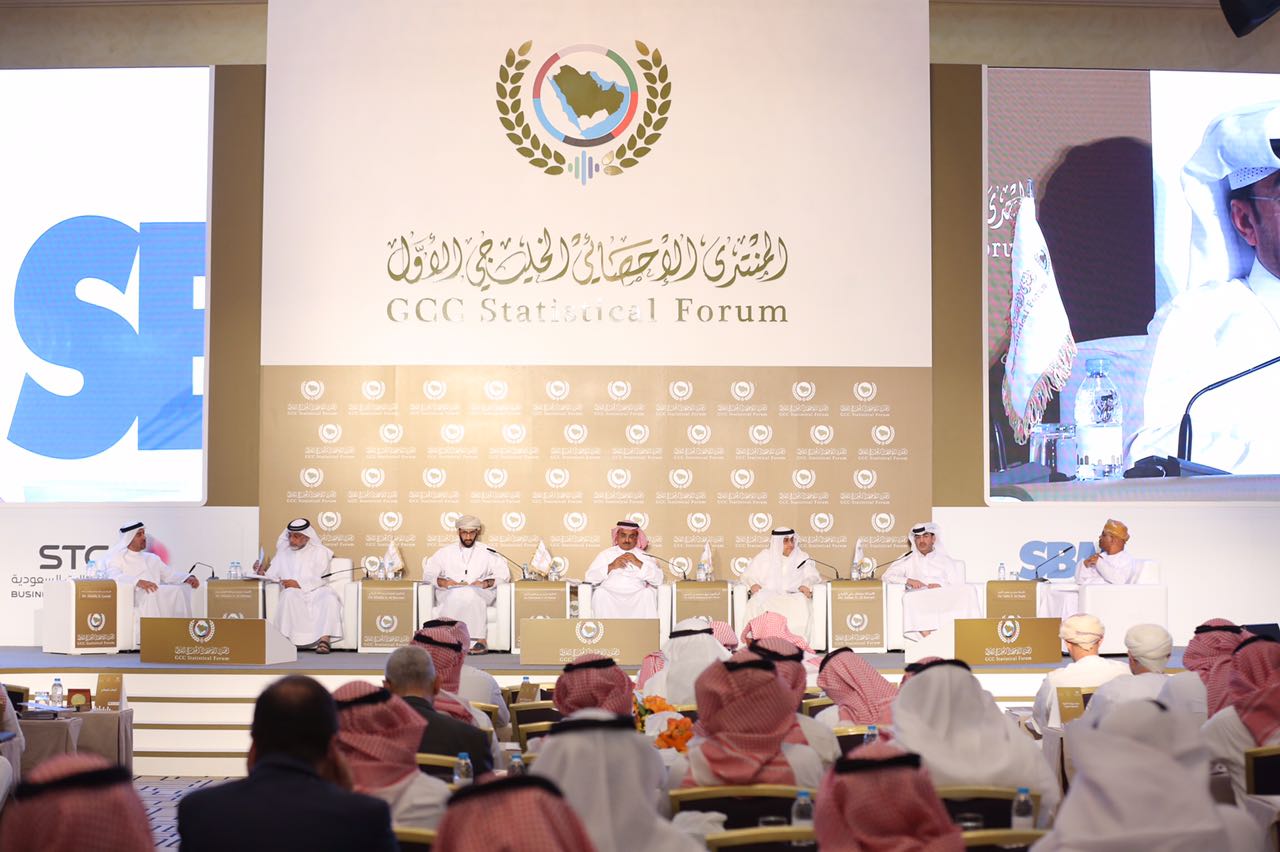
Based on 3 Strategic Pillars Riyadh Announces 14 Recommendations at the Conclusion of the First GCC Statistical Forum The First GCC Statistical Forum held in Riyadh concluded by announcing 14 recommendations, co-drafted by decision and policy makers, academia, private sector, in addition to the leaders of the statistical data and information authorities, systems and centers in the GCC countries and international and regional organizations. The participants in the Forum, organized by the General Authority for Statistics in Saudi Arabia and the GCC Statistical Center, stressed the importance, moving forward, of strengthening and increasing the effectiveness of the ongoing efforts in the various related fields, based on three strategic pillars (Partnerships, Development and Harmonization, and Resources). The participants also agreed on the importance of holding the Forum on a regular basis ever two years, to monitor progress and achievements in the areas of joint work and collaboration, and discuss the latest developments in the demand for and the production and dissemination of official statistics. The next forum will take place, in Muscat, in March 2019. This announcement came along with the Forum participants’ acknowledgment of the extra burden put on the national statistical authorities, centers and systems by the ever increasing and evolving demand for better quality statistics. The recommendations on the Partnerships Pillar stressed the need to (i) Strengthen the cooperation and dialogue mechanisms between statistics users and producers at the national level, so that the needs of users are met and the priorities are set in a better way; (ii) Enhance coordination and cooperation between producers of statistics in countries, to share knowledge and best practice, avoid duplication of efforts, and increase the quality of official statistics; (iii) Improve coordination and cooperation at the regional and international levels, to keep pace with and ensure contribution to and benefit from relevant developments, and to exchange expertise and experiences; (iv) Explore the potential of public private partnerships in statistics, to increase the frequency of data and develop new data sources; and (v) Foster collaboration and partnerships with the academic community in the GCC region, to serve a wide array of objectives including improving statistical literacy, adding value to statistical production, increasing the correct use of data, and strengthening training and capacity development.    In terms of the Development and Harmonization Pillar, the participants recommended to (i) Improve the quality and comparability of official statistics, to meet the needs of users; (ii) Incorporate contemporary international statistical standards and classifications; (iii) Enhance the use of administrative registers to produce official statistics; (iv) Take full advantage of modern statistical tools and technologies; and (v) Promote the correct use of statistics and statistical awareness and culture in society. Finally, regarding the Sources Pillar, the participants’ recommendations included to (i) Operate statistical agencies in an efficient, cost-effective and results-based manner; (ii) Attract and keep qualified GCC nationals in the statistical work; (iii) Increase the effectiveness and coverage of capacity development programs; and (iv) Explore alternative sources of funding and cost sharing outside the framework of official statistics including with the private sector. For the recommendations of the first Gulf Statistical Forum | Press here
Image Alt Text

Riyadh Announces 14 Recommendations at the Conclusion of the First GCC Statistical Forum

12-09-2017

Based on 3 Strategic Pillars Riyadh Announces 14 Recommendations at the Conclusion of the First GCC Statistical Forum The First GCC Statistical Forum held in Riyadh concluded by announcing 14 recommendations, co-drafted by decision and policy makers, academia, private sector, in addition to the leaders of the statistical data and information authorities, systems and centers in the GCC countries and international and regional organizations. The participants in the Forum, organized by the General Authority for Statistics in Saudi Arabia and the GCC Statistical Center, stressed the importance, moving forward, of strengthening and increasing the effectiveness of the ongoing efforts in the various related fields, based on three strategic pillars (Partnerships, Development and Harmonization, and Resources). The participants also agreed on the importance of holding the Forum on a regular basis ever two years, to monitor progress and achievements in the areas of joint work and collaboration, and discuss the latest developments in the demand for and the production and dissemination of official statistics. The next forum will take place, in Muscat, in March 2019. This announcement came along with the Forum participants’ acknowledgment of the extra burden put on the national statistical authorities, centers and systems by the ever increasing and evolving demand for better quality statistics. The recommendations on the Partnerships Pillar stressed the need to (i) Strengthen the cooperation and dialogue mechanisms between statistics users and producers at the national level, so that the needs of users are met and the priorities are set in a better way; (ii) Enhance coordination and cooperation between producers of statistics in countries, to share knowledge and best practice, avoid duplication of efforts, and increase the quality of official statistics; (iii) Improve coordination and cooperation at the regional and international levels, to keep pace with and ensure contribution to and benefit from relevant developments, and to exchange expertise and experiences; (iv) Explore the potential of public private partnerships in statistics, to increase the frequency of data and develop new data sources; and (v) Foster collaboration and partnerships with the academic community in the GCC region, to serve a wide array of objectives including improving statistical literacy, adding value to statistical production, increasing the correct use of data, and strengthening training and capacity development.    In terms of the Development and Harmonization Pillar, the participants recommended to (i) Improve the quality and comparability of official statistics, to meet the needs of users; (ii) Incorporate contemporary international statistical standards and classifications; (iii) Enhance the use of administrative registers to produce official statistics; (iv) Take full advantage of modern statistical tools and technologies; and (v) Promote the correct use of statistics and statistical awareness and culture in society. Finally, regarding the Sources Pillar, the participants’ recommendations included to (i) Operate statistical agencies in an efficient, cost-effective and results-based manner; (ii) Attract and keep qualified GCC nationals in the statistical work; (iii) Increase the effectiveness and coverage of capacity development programs; and (iv) Explore alternative sources of funding and cost sharing outside the framework of official statistics including with the private sector. For the recommendations of the first Gulf Statistical Forum | Press here
Image Alt Text

STC Business technical sponsor for the Gulf Statistical Forum

12-09-2017
STC Business technical sponsor for the Gulf Statistical Forum Under the Royal hospice of  the Custodian of the Two Holy Mosques, King Salman bin Abdulaziz Al Saud - may God protect him - and with the organization of the General Authority for Statistics and GCC Statistical Center, STC Business will participate, as an activities technical sponsor, in the Gulf Statistical Forum, which will be held under the theme "Enhancing Statistical partnerships to support economic policies and sustainable development in the GCC countries.", at the Marriott Hotel in Riyadh during the period from March 20th to 22nd, 2017. The Forum will bring together 40 GCC and international speakers to discuss strengthening the statistical partnerships in view of supporting economic and development policies. They will discuss several key issues which are: requirement for data and statistical information ensuing from national development trends, the agenda for sustainable development and emerging global economic issues, provision of statistical products and services to support national development trends, and sustainable development in the GCC countries, in addition to conducting research on enhancing the statistical partnerships between users and producers of data to support the economic policies in the GCC countries. STC Business  pavilion accompanying the forum, will display a group of communication services and information technology solutions, with an explanation of the most important advantages and benefits that contribute to the success of statistical work and support digital transformation in the domestic and the Gulf region. This sponsorship comes within STC Business endeavor to support and meet the requirements and needs of their customers in both public and private sectors, through a variety of connectivity products based on mobile and fixed networks technology, providing integrated digital solutions, cloud computing , and managed services. STC Business Unit provides solutions and services, telecommunications and information technology in a way that meets the government and companies demands and requirements. This is carried out through the most advanced data centers distributed around the Kingdom. These centers are connected through a network of optical fibers whose length attains more than 147, 000 kilometers, and  are supported with a mobile network covering 96% of the populated areas in KSA, and uses technologies of the Second and Third Generation, while 96% of the network uses the Fourth Generation technology known as LTE. These national networks are linked to the world through a number of cross-border land and sea cables and an Internet gate which is the largest in the MENA region, where its communication capacity attains 1.5 Terabit / sec. and passes 12 Beta Bytes of data per day.
Image Alt Text

STC Business technical sponsor for the Gulf Statistical Forum

12-09-2017

STC Business technical sponsor for the Gulf Statistical Forum Under the Royal hospice of  the Custodian of the Two Holy Mosques, King Salman bin Abdulaziz Al Saud - may God protect him - and with the organization of the General Authority for Statistics and GCC Statistical Center, STC Business will participate, as an activities technical sponsor, in the Gulf Statistical Forum, which will be held under the theme "Enhancing Statistical partnerships to support economic policies and sustainable development in the GCC countries.", at the Marriott Hotel in Riyadh during the period from March 20th to 22nd, 2017. The Forum will bring together 40 GCC and international speakers to discuss strengthening the statistical partnerships in view of supporting economic and development policies. They will discuss several key issues which are: requirement for data and statistical information ensuing from national development trends, the agenda for sustainable development and emerging global economic issues, provision of statistical products and services to support national development trends, and sustainable development in the GCC countries, in addition to conducting research on enhancing the statistical partnerships between users and producers of data to support the economic policies in the GCC countries. STC Business  pavilion accompanying the forum, will display a group of communication services and information technology solutions, with an explanation of the most important advantages and benefits that contribute to the success of statistical work and support digital transformation in the domestic and the Gulf region. This sponsorship comes within STC Business endeavor to support and meet the requirements and needs of their customers in both public and private sectors, through a variety of connectivity products based on mobile and fixed networks technology, providing integrated digital solutions, cloud computing , and managed services. STC Business Unit provides solutions and services, telecommunications and information technology in a way that meets the government and companies demands and requirements. This is carried out through the most advanced data centers distributed around the Kingdom. These centers are connected through a network of optical fibers whose length attains more than 147, 000 kilometers, and  are supported with a mobile network covering 96% of the populated areas in KSA, and uses technologies of the Second and Third Generation, while 96% of the network uses the Fourth Generation technology known as LTE. These national networks are linked to the world through a number of cross-border land and sea cables and an Internet gate which is the largest in the MENA region, where its communication capacity attains 1.5 Terabit / sec. and passes 12 Beta Bytes of data per day.
Image Alt Text

27 Scientific and Awareness-raising Booths in the Exhibition accompanying the First GCC Statistical Forum

12-09-2017
27 Scientific and Awareness-raising  Booths in the Exhibition accompanying the First GCC Statistical Forum The Forum events which  will be held in Riyadh under the theme " enhancing statistical collaborations to support economic policies and sustainable development in the GCC region", under the patronage of the custodian of the Two Holly Mosques king Salman bin Abdulaziz Al Saud, and organized by the general authority for statistics and the GCC statistical center on 21-23 Jumada second 1438 H corresponding to 20-22nd of March 2017, will be accompanied by an exhibition that contains 27 scientific and awareness raising booths, in collaboration with the GCC countries and the GCC statistical center, in addition to a number of establishments specialized in statistical and informational technology. Mr. Taiseer Almofarrej, the official spokesman of the General Authority for Statistics, stressed that the Forum welcomes visitors such as , specialists, academia, students and government entities leaders to know more about statistical methodologies in different fields; economic, social, energy and natural resources, open data, statistical awareness and sustainable development. The forum which will gather 40 speakers from the gulf region and other countries, data producers and users, and people from the academic sector, focuses on main axes which are: statistical data and information request resulted from the national developmental tracks, sustainable development agenda and international economic issues, discussing the provision of statistical products and services to support the national developmental tracks and sustainable development in the GCC region, in addition to discussing the statistical collaborations between data producers and users to support the economic policies and sustainable development in the GCC region. The events of the Forum will start with 4 sessions within two days, the sessions will start with discussing the first axe which is about statistical data and information request: the request from an international prospective and focusing on the international issues and their impact on policies and reforms all over the world in general and in the gulf region in particular. In addition to data needs and gaps, it will also discuss request from a national and regional perspective, a general session titles" producing and publishing statistics: the strategic motives of the national statistical entities' works", followed by  a general session about the third axe which is associated with collaborations " next steps: towards sustainable mechanisms and framework for cooperation between users and producers". Along with the forum activities, 6 workshops will be held: the first will discuss measuring the progress in achieving sustainable development goals, the second is about enhancing statistical knowledge. As for the third, it will be about the statistical media. In the fourth workshop, the participants will get to know the mechanisms of statistics development by using information and communication technologies. However, the fifth will discuss data revolution which will present cooperation between Arab countries to get benefited from data revolution in enhancing the production and publishing of statistics. After that, two presentations will be presented by one of the GCC countries and the GCC statistical center about the preparations and challenges. Regarding the last workshop, it will discuss the collaborations between the public and private sectors in the field of statistics.
Image Alt Text

27 Scientific and Awareness-raising Booths in the Exhibition accompanying the First GCC Statistical Forum

12-09-2017

27 Scientific and Awareness-raising  Booths in the Exhibition accompanying the First GCC Statistical Forum The Forum events which  will be held in Riyadh under the theme " enhancing statistical collaborations to support economic policies and sustainable development in the GCC region", under the patronage of the custodian of the Two Holly Mosques king Salman bin Abdulaziz Al Saud, and organized by the general authority for statistics and the GCC statistical center on 21-23 Jumada second 1438 H corresponding to 20-22nd of March 2017, will be accompanied by an exhibition that contains 27 scientific and awareness raising booths, in collaboration with the GCC countries and the GCC statistical center, in addition to a number of establishments specialized in statistical and informational technology. Mr. Taiseer Almofarrej, the official spokesman of the General Authority for Statistics, stressed that the Forum welcomes visitors such as , specialists, academia, students and government entities leaders to know more about statistical methodologies in different fields; economic, social, energy and natural resources, open data, statistical awareness and sustainable development. The forum which will gather 40 speakers from the gulf region and other countries, data producers and users, and people from the academic sector, focuses on main axes which are: statistical data and information request resulted from the national developmental tracks, sustainable development agenda and international economic issues, discussing the provision of statistical products and services to support the national developmental tracks and sustainable development in the GCC region, in addition to discussing the statistical collaborations between data producers and users to support the economic policies and sustainable development in the GCC region. The events of the Forum will start with 4 sessions within two days, the sessions will start with discussing the first axe which is about statistical data and information request: the request from an international prospective and focusing on the international issues and their impact on policies and reforms all over the world in general and in the gulf region in particular. In addition to data needs and gaps, it will also discuss request from a national and regional perspective, a general session titles" producing and publishing statistics: the strategic motives of the national statistical entities' works", followed by  a general session about the third axe which is associated with collaborations " next steps: towards sustainable mechanisms and framework for cooperation between users and producers". Along with the forum activities, 6 workshops will be held: the first will discuss measuring the progress in achieving sustainable development goals, the second is about enhancing statistical knowledge. As for the third, it will be about the statistical media. In the fourth workshop, the participants will get to know the mechanisms of statistics development by using information and communication technologies. However, the fifth will discuss data revolution which will present cooperation between Arab countries to get benefited from data revolution in enhancing the production and publishing of statistics. After that, two presentations will be presented by one of the GCC countries and the GCC statistical center about the preparations and challenges. Regarding the last workshop, it will discuss the collaborations between the public and private sectors in the field of statistics.
Image Alt Text

8 days until the beginning of the 1st GCC statistical forum events

12-09-2017
8 days until the beginning of the 1st GCC statistical forum events After 8 days, the 1st GCC statistical forum events will begin in Riyadh under the theme " enhancing statistical collaborations to support economic policies and sustainable development in the GCC region". The forum will be under the patronage of the custodian of the two holly mosques king Salman bin Abdulaziz Al Saud, and organized by the general authority for statistics and the GCC statistical center on 21-23 Jumada second 1438 H corresponding to 20-22nd of March 2017.  The forum, in which there will be 40 speakers from the gulf region and other countries, other people who are specialized in statistics such as data producers and users, and people from the academic sector, focuses on main axes which are: statistical data and information request resulted from the national developmental tracks, sustainable development agenda and international economic issues, discussing the provision of statistical products and services to support the national developmental tracks and sustainable development in the GCC region, in addition to discussing the statistical collaborations between data producers and users to support the economic policies and sustainable development in the GCC region.  The first day will witness the opening event. Many political personalities will attend such as ministers, GCC general secretariat leaders, ambassadors, statistical organizations heads, international and regional organizations representatives, statistical sector specialists, media, and other participants.  The forum events will begin with 4 sessions on the first two days. On these sessions, the first axe will be discussed from an international perspective which is about statistical data and information request. Also, the sessions will discuss the international issues and their impact on the policies and reforms all over the world and on the gulf region in particular. Data needs and gaps will be taken into consideration too. Data request will be discussed also from a national and regional perspective. There will be a general session titled " statistics production and publication: the strategic motives of the national statistical organizations works". It will be followed by another general session that discusses the third axe which is about collaborations " next steps: towards sustainable framework and mechanisms for cooperation and dialogue between users and producers". Along with the forum events, there will be 6 seminars; the first will discuss measuring the progress in achieving the sustainable development goals, the second is about enhancing the statistical knowledge. Whereas the third will focus on statistical media, and the fourth is about the mechanisms od statistical development by using information and telecommunication technologies. On the fifth seminar, data revolution will be discussed, it will present the cooperation between Arab countries to benefit from data revolution in enhancing statistics production and publication. After that, there will be two presentations about the preparations and challenges, they will be presented by one of the GCC countries and the GCC statistical center. As for the last seminar, collaborations between the public and private sectors in the field of statistics will be discussed.
Image Alt Text

8 days until the beginning of the 1st GCC statistical forum events

12-09-2017

8 days until the beginning of the 1st GCC statistical forum events After 8 days, the 1st GCC statistical forum events will begin in Riyadh under the theme " enhancing statistical collaborations to support economic policies and sustainable development in the GCC region". The forum will be under the patronage of the custodian of the two holly mosques king Salman bin Abdulaziz Al Saud, and organized by the general authority for statistics and the GCC statistical center on 21-23 Jumada second 1438 H corresponding to 20-22nd of March 2017.  The forum, in which there will be 40 speakers from the gulf region and other countries, other people who are specialized in statistics such as data producers and users, and people from the academic sector, focuses on main axes which are: statistical data and information request resulted from the national developmental tracks, sustainable development agenda and international economic issues, discussing the provision of statistical products and services to support the national developmental tracks and sustainable development in the GCC region, in addition to discussing the statistical collaborations between data producers and users to support the economic policies and sustainable development in the GCC region.  The first day will witness the opening event. Many political personalities will attend such as ministers, GCC general secretariat leaders, ambassadors, statistical organizations heads, international and regional organizations representatives, statistical sector specialists, media, and other participants.  The forum events will begin with 4 sessions on the first two days. On these sessions, the first axe will be discussed from an international perspective which is about statistical data and information request. Also, the sessions will discuss the international issues and their impact on the policies and reforms all over the world and on the gulf region in particular. Data needs and gaps will be taken into consideration too. Data request will be discussed also from a national and regional perspective. There will be a general session titled " statistics production and publication: the strategic motives of the national statistical organizations works". It will be followed by another general session that discusses the third axe which is about collaborations " next steps: towards sustainable framework and mechanisms for cooperation and dialogue between users and producers". Along with the forum events, there will be 6 seminars; the first will discuss measuring the progress in achieving the sustainable development goals, the second is about enhancing the statistical knowledge. Whereas the third will focus on statistical media, and the fourth is about the mechanisms od statistical development by using information and telecommunication technologies. On the fifth seminar, data revolution will be discussed, it will present the cooperation between Arab countries to benefit from data revolution in enhancing statistics production and publication. After that, there will be two presentations about the preparations and challenges, they will be presented by one of the GCC countries and the GCC statistical center. As for the last seminar, collaborations between the public and private sectors in the field of statistics will be discussed.
Image Alt Text

GaStat: An Increase in Exports and a Decrease in Merchandise Imports of Saudi Arabia (1st quarter-2017)

27-07-2017

GaStat: An Increase in Exports and a Decrease in Merchandise Imports of Saudi Arabia (1st quarter-2017) The value of merchandise exports of Saudi Arabia during the first quarter of 2017 amounted to (206984) million riyals compared to (140186) million riyals for the same quarter last year, with an increase of (66799) million riyals (47.7%). While non-oil exports amounted to (44849) million riyals during the first quarter of 2017 compared to (43029) million riyals for the same period last year, with an increase of (1820) million riyals (4.2%). The value of Saudi Arabia's imports during the first quarter decreased by (12.3%) to reach (125558) million riyals with a decrease of (17542) million riyals compared to same quarter last year which recorded (143100) million riyals. According to the quarterly report issued by GaStat for the first quarter of 2017, the value of Saudi merchandise exports recorded an increase of (5.2%) compared to the last quarter (4th quarter 2016) which recorded (196842) million riyals. While non-oil exports recorded a decrease of (4.5%)compared to the last quarter (4th quarter 2016) which recorded (46964) million riyals. The Saudi imports recorded a decrease of (0,05%) compared to the last quarter which recorded (125616) million riyals. The ratio of non-oil exports to imports reached (35.7%) in the first quarter of 2017 compared to (30.1%) for the same quarter last year, but this percentage was lower than the previous quarter (fourth quarter 2016), which recorded (37.4%).   The report shows that 20.4% of the imports were capital goods, 39.3% intermediate goods and 40.3% imports were goods for final consumption. The increase in the value of non-oil exports in the first quarter of 2017 compared to the same quarter of last year was the result of the rise of the most important sections of merchandises exported, mainly plastics, rubber and their products, which rose by (9.8%) to the value of (14570) million riyals. The products of chemical industries and related industries increased to (13355) million riyals compared to (11361) million riyals in the first quarter of 2016, which means an increase of (1993) million riyals (17.5%). Base metals and its products increased to (3703) million riyals Compared to (3636) million riyals in the first quarter of 2016, which means an increase of (66) million riyals (1.8%). The exports of Saudi Arabia in the transport equipment and its parts, machinery, and electrical appliances and equipment section reached (6204) million riyals which form (13.8%) of the Saudi non-oil exports in this period. Regarding imports, the machinery, electrical appliances and equipment and thereof decreased by (19.3%) to reach (30191) million riyals in the first quarter of 2017 compared to (37397) million riyals in the first quarter of 2016. The imports of transportation equipment and thereof decreased to (20529) million riyals compared to (25377) million riyals (19.1%). While imports of chemical products and related industries decreased by (4.7%) to record (12638) million riyals in the first quarter of 2017 compared to (13268) million riyals for the same period last year. The report pointed out that the total volume of non-oil exported merchandise increased to (13248) thousand tons in the first quarter of 2017 compared to (13103) thousand tons in the first quarter of 2016, which means an increase of 1.1%. The volume of imports in the first quarter of 2017 also decreased to (17130) thousand tons compared to (20561) thousand tons for the same quarter of last year with a decrease of (16.7%).  On the geographical distribution of Saudi Arabia's exports of non-oil merchandise, the report pointed out that exports to Asian countries, excluding Arab and Islamic countries, are at the top of the groups that have been exported to, recording a rise of (32.1%) to register (14246) in the first quarter of 2017 compared to (10781) million riyals in the first quarter 2016. Exports to the GCC countries decreased by (4.9%) to reach (11934) million riyals, while the rest of the groups decreased to (5.3%) to register (18669) million riyals. UAE is the top country for exports in the first quarter of 2017: The United Arab Emirates, China, India, Singapore and Kuwait are the top countries for exports, as their exports formed (41.7%) of the total non-oil exports compared to (36.6%) in the first quarter of 2016. China is the top country for imports in the first quarter of 2017:  The United States of America, China, Germany, the United Arab Emirates and Japan are the top countries of imports, as their merchandise imports formed (45.9%) compared to (46%) in the first quarter of 2016.
Image Alt Text

GaStat: An Increase in Exports and a Decrease in Merchandise Imports of Saudi Arabia (1st quarter-2017)

27-07-2017

GaStat: An Increase in Exports and a Decrease in Merchandise Imports of Saudi Arabia (1st quarter-2017) The value of merchandise exports of Saudi Arabia during the first quarter of 2017 amounted to (206984) million riyals compared to (140186) million riyals for the same quarter last year, with an increase of (66799) million riyals (47.7%). While non-oil exports amounted to (44849) million riyals during the first quarter of 2017 compared to (43029) million riyals for the same period last year, with an increase of (1820) million riyals (4.2%). The value of Saudi Arabia's imports during the first quarter decreased by (12.3%) to reach (125558) million riyals with a decrease of (17542) million riyals compared to same quarter last year which recorded (143100) million riyals. According to the quarterly report issued by GaStat for the first quarter of 2017, the value of Saudi merchandise exports recorded an increase of (5.2%) compared to the last quarter (4th quarter 2016) which recorded (196842) million riyals. While non-oil exports recorded a decrease of (4.5%)compared to the last quarter (4th quarter 2016) which recorded (46964) million riyals. The Saudi imports recorded a decrease of (0,05%) compared to the last quarter which recorded (125616) million riyals. The ratio of non-oil exports to imports reached (35.7%) in the first quarter of 2017 compared to (30.1%) for the same quarter last year, but this percentage was lower than the previous quarter (fourth quarter 2016), which recorded (37.4%).   The report shows that 20.4% of the imports were capital goods, 39.3% intermediate goods and 40.3% imports were goods for final consumption. The increase in the value of non-oil exports in the first quarter of 2017 compared to the same quarter of last year was the result of the rise of the most important sections of merchandises exported, mainly plastics, rubber and their products, which rose by (9.8%) to the value of (14570) million riyals. The products of chemical industries and related industries increased to (13355) million riyals compared to (11361) million riyals in the first quarter of 2016, which means an increase of (1993) million riyals (17.5%). Base metals and its products increased to (3703) million riyals Compared to (3636) million riyals in the first quarter of 2016, which means an increase of (66) million riyals (1.8%). The exports of Saudi Arabia in the transport equipment and its parts, machinery, and electrical appliances and equipment section reached (6204) million riyals which form (13.8%) of the Saudi non-oil exports in this period. Regarding imports, the machinery, electrical appliances and equipment and thereof decreased by (19.3%) to reach (30191) million riyals in the first quarter of 2017 compared to (37397) million riyals in the first quarter of 2016. The imports of transportation equipment and thereof decreased to (20529) million riyals compared to (25377) million riyals (19.1%). While imports of chemical products and related industries decreased by (4.7%) to record (12638) million riyals in the first quarter of 2017 compared to (13268) million riyals for the same period last year. The report pointed out that the total volume of non-oil exported merchandise increased to (13248) thousand tons in the first quarter of 2017 compared to (13103) thousand tons in the first quarter of 2016, which means an increase of 1.1%. The volume of imports in the first quarter of 2017 also decreased to (17130) thousand tons compared to (20561) thousand tons for the same quarter of last year with a decrease of (16.7%).  On the geographical distribution of Saudi Arabia's exports of non-oil merchandise, the report pointed out that exports to Asian countries, excluding Arab and Islamic countries, are at the top of the groups that have been exported to, recording a rise of (32.1%) to register (14246) in the first quarter of 2017 compared to (10781) million riyals in the first quarter 2016. Exports to the GCC countries decreased by (4.9%) to reach (11934) million riyals, while the rest of the groups decreased to (5.3%) to register (18669) million riyals. UAE is the top country for exports in the first quarter of 2017: The United Arab Emirates, China, India, Singapore and Kuwait are the top countries for exports, as their exports formed (41.7%) of the total non-oil exports compared to (36.6%) in the first quarter of 2016. China is the top country for imports in the first quarter of 2017:  The United States of America, China, Germany, the United Arab Emirates and Japan are the top countries of imports, as their merchandise imports formed (45.9%) compared to (46%) in the first quarter of 2016.
Image Alt Text

Collaboration between GsStat and the private sector to develop statistical work

12-09-2017

announcing (6) new economic surveys to support development Collaboration between GsStat and the private sector to develop statistical work GaStat revealed new economic surveys to be implemented this year and next year. These surveys aim at fulfilling the development needs, they include: insurance activity survey, direct foreign investment survey, intermediate and small establishments survey, retail activity survey, non-profit sector survey, and tourism survey.  This was mentioned in the second workshop held by GaStat yesterday (Monday) 13th February 2017 in Jeddah. HE dr. Fahad bin Sulaiman Altekhaifi, GaStat president, said that the private sector is an essential partner in the national development. He added, it integrates all public sectors and institutions in a way that strengthens the national economy. The collaboration between "statistics" and the private sector is part of the developmental movements which aim at achieving the 2030 Saudi vision and representing that with indicators that reflect the progress in the achievement of this vision. The role of GaStat, statistical national commission, and the statistical sector in general became more important now as the need for accurate statistical data, effective indicators, and measurement tools increased. Dr. Fahad indicated that one of the most important stages that GaStat works on these days is meeting the clients' needs whether from the public or private sector. It also works on establishing effective collaborations locally, nationally, and internationally with related parties. In addition to creating indicators necessary for current and future needs. GaStat works with its partners on unifying the information sources, facilitating their access, and providing innovative statistical products with international standards.   On the other hand, Mrs. Kholoud Aldakhail, the national statistical commission chairman, stated that the commission was established under the umbrella of the council of Saudi chambers based on the Saudi chambers board resolution number 13 /88/m issued in 15/6/1437 H as response to the ministry of economy and planning and GaStat request. This reflects GaStat initiative to make the private sector a collaborative sector. She asserted that the role of this committee, which include 23 members who work in the field of statistics, data, and information, is represented in the coordination with Saudi chambers of commerce all over Saudi Arabia. The coordination will be about statistical work activation, data exchange, and proposing methods to enhance the statistical work impacts on the private sector. Furthermore, it deals with elaborating the use of statistics in private sector, deepen relations between GaStat and Saudi chambers of commerce.  The workshop discussed two main themes; the requirements of data users in the private sector as one of the statistical sector components, determining required additional data by activity, and the proposed methods to develop the mechanism of data collection from the private sector institutions. GaStat has presented the economic surveys and the new surveys that will be implemented by them during these two years. They also presented the six tracks based on which the authority work which can be summarized in; a work strategy about the authority clients and partners to fulfill the actual need of statistical products, then developing these products and services and improving the statistical operations and methodologies. Also, raising the level of information technology and digital infrastructure to enable products to start from a strong base that can be adapted with any change. Moreover, focusing on raising statistical awareness, and building capabilities in the statistical field. In addition to structuring all GaStat tasks and departments.  At the end of the workshop, dr. Fahad expressed his thanks to all the participants. He asserted that the workshop outputs will contribute in enhancing the effectiveness of the decisions made by the private sector and its policy makers for the citizen's advantage and society economies which enhance his role in the domestic product growth, and guarantee making proper decisions based on accurate data to facilitate measuring their result and reflections.
Image Alt Text

GaStat launches real estate index indicator

12-09-2017

Based on ministry of justice registry data GaStat launches real estate index indicator On Monday 18 Rabe'a second 1438 H corresponding 16 January 2017, GaStat launched the Saudi real estate index indicator. This indicator is based on available registry data of the ministry of justice that is about real estate transactions in 2015 and 2016. GaStat described this indicator as an essential tool that supports entities which make economic and statistical decisions  associated with real estate price movements and future expectations during different periods of time. The indicator includes three main sectors composed of many real estate classes: residential sector ( piece of land, building, villa, apartment, and house) , commercial sector (piece of land, building, shop, and commercial center), and agricultural sector ( agricultural lands).  Real estate price index indicator showed a decrease in the Saudi real estate prices in 2016 compared to 2015 and 2014. The indicator registered a decrease of (6.1%) compared to 2015. Whereas it registered a decrease of (8.5%) compared to 2014. During the fourth quarter of 2016, this indicator recorded a decrease of ( 3.5%) compared to the previous quarter. However, it recorded a decrease of (8.7%) compared to the same quarter of 2015.  The report attributed the decrease in the fourth quarter of 2016 (compared to the previous quarter) to the decrease in all composing sectors: commercial sector (4.1%), residential sector (3.4%), and agricultural sector (0.3%).  On the other hand,  the decrease in the fourth quarter of 2016 (compared to the same quarter of 2015) to the decrease in all composing sectors: commercial sector (12.3%), residential sector (7.4%), and agricultural sector (1.1%).  GaStat indicated in a workshop ,held in " Restatex " exhibition in Dhahran city, that : as an official  reference of statistics and an organizer of statistical sector in Saudi Arabia, one of Gastat tasks is follow up the price movement of real estate composing units and record the values of their transactions all over Saudi Arabia. In addition to monitoring their changes from time to time through the new statistical product " real estate price index" which relies on the data provided by ministry of justice. This represents the integration and cooperation between the different government entities which aim at moving sustainable development forward.  GaStat also stated that the new statistical product aims at founding distinct real estate statistical indicators that measure the Saudi real estate market performance and fill the gap of data in this sector. It is considered an essential tool that supports entities which make economic decisions in this field. This product's data benefit those who are interested in the economic and statistical analysis of real estate prices and the future expectations during different periods of time. GaStat has issued a complete bulletin about this index and its details on its website. It is worth mentioning that GaStat has announced 45 new statistical products as a first stage of the new products  which included economic, social, demographic, Umrah , and labor market statistics.  In addition to energy, knowledge, environment, culture, sport, entertainment, safety, and security statistics. Download: Real Estate Price Index Q4 2016 (PDF)
Image Alt Text

Saudi Arabia is “the second country on the Arab world level and the thirty eighth internationally” within the very high-level human development countries

12-09-2017

According to the human development report issued by a UN program with a remarkable progress Saudi Arabia is “the second country on the Arab world level and the thirty eighth internationally” within the very high-level human development countries Saudi Arabia registered the second rank on the Arab world level and the thirty eighth internationally within the very high-level human development countries according to the human development report issued by the UN developmental program 2016. Dr. Fahad bin Sulaiman Altekhaifi, GaStat president, clarified that Saudi Arabia has reached that remarkable progress which was reflected in the human development report issued by the UN developmental program 2016. He added, Saudi Arabia was classified within the countries that have the highest levels of human development.  His Excellency assured that the report is one of the annual reports issued by the UN developmental program since 1990. In addition to the main topics it discusses and resolves annually, the program includes many statistical tables of various indicators, the most important of which is a table that contains the human development guide classified by the level of human development all over the world. This guide is considered a standard that summarizes all achievements in the field of development through three main dimensions: individual health life, knowledge acquisition, and the proper living standard.  He indicated that this improvement in the Saudi level of human development is continuous one. During the past three years, Saudi Arabia registered the (39th) rank last year, the (55th) rank in 2010, and the (77th) rank in 2005. This progress is attributed to the noticeable improvement in all elements of the human development guide which are represented in the expected age of birth, the expected average of studying years which means the expected number of studying years that a child is expected to spend since he/she starts going to school, supposing that the rates of this process by age groups remain stable during all times. The guide elements also include the gross national income per capita which is calculated by the purchase power rate in Dollar.  It is worth mentioning that the human development report divides the world into four groups by value of human development guide’s indicator. Countries with low-level human development have a value of (0R550), whereas countries with intermediate-level human development, their value ranges between (0R550) and (0R699). However, countries with high-level human development have a guide value that ranges between (0R700) and (0R799), and countries with a very high-level of human development have a value of (0R800) or more. The Saudi indicator mentioned in the 2016 report registered (0R847).  Dr. Fahad stressed that this report reflects the level of human development that Saudi Arabia witnesses in many fields. It shows the exerted efforts on many levels. These efforts were achieved as a response to the continuous directions of the custodian of the two holly mosques, his crown prince, and his deputy crown prince. It also reflects the goals upon which the 2030 Saudi vision is made, the vision that represents a promising document that aims at achieving the sustainable development and coping with all rapid developmental changes internationally.
Image Alt Text

Riyadh Announces 14 Recommendations at the Conclusion of the First GCC Statistical Forum

12-09-2017

Based on 3 Strategic Pillars Riyadh Announces 14 Recommendations at the Conclusion of the First GCC Statistical Forum The First GCC Statistical Forum held in Riyadh concluded by announcing 14 recommendations, co-drafted by decision and policy makers, academia, private sector, in addition to the leaders of the statistical data and information authorities, systems and centers in the GCC countries and international and regional organizations. The participants in the Forum, organized by the General Authority for Statistics in Saudi Arabia and the GCC Statistical Center, stressed the importance, moving forward, of strengthening and increasing the effectiveness of the ongoing efforts in the various related fields, based on three strategic pillars (Partnerships, Development and Harmonization, and Resources). The participants also agreed on the importance of holding the Forum on a regular basis ever two years, to monitor progress and achievements in the areas of joint work and collaboration, and discuss the latest developments in the demand for and the production and dissemination of official statistics. The next forum will take place, in Muscat, in March 2019. This announcement came along with the Forum participants’ acknowledgment of the extra burden put on the national statistical authorities, centers and systems by the ever increasing and evolving demand for better quality statistics. The recommendations on the Partnerships Pillar stressed the need to (i) Strengthen the cooperation and dialogue mechanisms between statistics users and producers at the national level, so that the needs of users are met and the priorities are set in a better way; (ii) Enhance coordination and cooperation between producers of statistics in countries, to share knowledge and best practice, avoid duplication of efforts, and increase the quality of official statistics; (iii) Improve coordination and cooperation at the regional and international levels, to keep pace with and ensure contribution to and benefit from relevant developments, and to exchange expertise and experiences; (iv) Explore the potential of public private partnerships in statistics, to increase the frequency of data and develop new data sources; and (v) Foster collaboration and partnerships with the academic community in the GCC region, to serve a wide array of objectives including improving statistical literacy, adding value to statistical production, increasing the correct use of data, and strengthening training and capacity development.    In terms of the Development and Harmonization Pillar, the participants recommended to (i) Improve the quality and comparability of official statistics, to meet the needs of users; (ii) Incorporate contemporary international statistical standards and classifications; (iii) Enhance the use of administrative registers to produce official statistics; (iv) Take full advantage of modern statistical tools and technologies; and (v) Promote the correct use of statistics and statistical awareness and culture in society. Finally, regarding the Sources Pillar, the participants’ recommendations included to (i) Operate statistical agencies in an efficient, cost-effective and results-based manner; (ii) Attract and keep qualified GCC nationals in the statistical work; (iii) Increase the effectiveness and coverage of capacity development programs; and (iv) Explore alternative sources of funding and cost sharing outside the framework of official statistics including with the private sector. For the recommendations of the first Gulf Statistical Forum | Press here
Image Alt Text

STC Business technical sponsor for the Gulf Statistical Forum

12-09-2017

STC Business technical sponsor for the Gulf Statistical Forum Under the Royal hospice of  the Custodian of the Two Holy Mosques, King Salman bin Abdulaziz Al Saud - may God protect him - and with the organization of the General Authority for Statistics and GCC Statistical Center, STC Business will participate, as an activities technical sponsor, in the Gulf Statistical Forum, which will be held under the theme "Enhancing Statistical partnerships to support economic policies and sustainable development in the GCC countries.", at the Marriott Hotel in Riyadh during the period from March 20th to 22nd, 2017. The Forum will bring together 40 GCC and international speakers to discuss strengthening the statistical partnerships in view of supporting economic and development policies. They will discuss several key issues which are: requirement for data and statistical information ensuing from national development trends, the agenda for sustainable development and emerging global economic issues, provision of statistical products and services to support national development trends, and sustainable development in the GCC countries, in addition to conducting research on enhancing the statistical partnerships between users and producers of data to support the economic policies in the GCC countries. STC Business  pavilion accompanying the forum, will display a group of communication services and information technology solutions, with an explanation of the most important advantages and benefits that contribute to the success of statistical work and support digital transformation in the domestic and the Gulf region. This sponsorship comes within STC Business endeavor to support and meet the requirements and needs of their customers in both public and private sectors, through a variety of connectivity products based on mobile and fixed networks technology, providing integrated digital solutions, cloud computing , and managed services. STC Business Unit provides solutions and services, telecommunications and information technology in a way that meets the government and companies demands and requirements. This is carried out through the most advanced data centers distributed around the Kingdom. These centers are connected through a network of optical fibers whose length attains more than 147, 000 kilometers, and  are supported with a mobile network covering 96% of the populated areas in KSA, and uses technologies of the Second and Third Generation, while 96% of the network uses the Fourth Generation technology known as LTE. These national networks are linked to the world through a number of cross-border land and sea cables and an Internet gate which is the largest in the MENA region, where its communication capacity attains 1.5 Terabit / sec. and passes 12 Beta Bytes of data per day.
Image Alt Text

27 Scientific and Awareness-raising Booths in the Exhibition accompanying the First GCC Statistical Forum

12-09-2017

27 Scientific and Awareness-raising  Booths in the Exhibition accompanying the First GCC Statistical Forum The Forum events which  will be held in Riyadh under the theme " enhancing statistical collaborations to support economic policies and sustainable development in the GCC region", under the patronage of the custodian of the Two Holly Mosques king Salman bin Abdulaziz Al Saud, and organized by the general authority for statistics and the GCC statistical center on 21-23 Jumada second 1438 H corresponding to 20-22nd of March 2017, will be accompanied by an exhibition that contains 27 scientific and awareness raising booths, in collaboration with the GCC countries and the GCC statistical center, in addition to a number of establishments specialized in statistical and informational technology. Mr. Taiseer Almofarrej, the official spokesman of the General Authority for Statistics, stressed that the Forum welcomes visitors such as , specialists, academia, students and government entities leaders to know more about statistical methodologies in different fields; economic, social, energy and natural resources, open data, statistical awareness and sustainable development. The forum which will gather 40 speakers from the gulf region and other countries, data producers and users, and people from the academic sector, focuses on main axes which are: statistical data and information request resulted from the national developmental tracks, sustainable development agenda and international economic issues, discussing the provision of statistical products and services to support the national developmental tracks and sustainable development in the GCC region, in addition to discussing the statistical collaborations between data producers and users to support the economic policies and sustainable development in the GCC region. The events of the Forum will start with 4 sessions within two days, the sessions will start with discussing the first axe which is about statistical data and information request: the request from an international prospective and focusing on the international issues and their impact on policies and reforms all over the world in general and in the gulf region in particular. In addition to data needs and gaps, it will also discuss request from a national and regional perspective, a general session titles" producing and publishing statistics: the strategic motives of the national statistical entities' works", followed by  a general session about the third axe which is associated with collaborations " next steps: towards sustainable mechanisms and framework for cooperation between users and producers". Along with the forum activities, 6 workshops will be held: the first will discuss measuring the progress in achieving sustainable development goals, the second is about enhancing statistical knowledge. As for the third, it will be about the statistical media. In the fourth workshop, the participants will get to know the mechanisms of statistics development by using information and communication technologies. However, the fifth will discuss data revolution which will present cooperation between Arab countries to get benefited from data revolution in enhancing the production and publishing of statistics. After that, two presentations will be presented by one of the GCC countries and the GCC statistical center about the preparations and challenges. Regarding the last workshop, it will discuss the collaborations between the public and private sectors in the field of statistics.
Image Alt Text

8 days until the beginning of the 1st GCC statistical forum events

12-09-2017

8 days until the beginning of the 1st GCC statistical forum events After 8 days, the 1st GCC statistical forum events will begin in Riyadh under the theme " enhancing statistical collaborations to support economic policies and sustainable development in the GCC region". The forum will be under the patronage of the custodian of the two holly mosques king Salman bin Abdulaziz Al Saud, and organized by the general authority for statistics and the GCC statistical center on 21-23 Jumada second 1438 H corresponding to 20-22nd of March 2017.  The forum, in which there will be 40 speakers from the gulf region and other countries, other people who are specialized in statistics such as data producers and users, and people from the academic sector, focuses on main axes which are: statistical data and information request resulted from the national developmental tracks, sustainable development agenda and international economic issues, discussing the provision of statistical products and services to support the national developmental tracks and sustainable development in the GCC region, in addition to discussing the statistical collaborations between data producers and users to support the economic policies and sustainable development in the GCC region.  The first day will witness the opening event. Many political personalities will attend such as ministers, GCC general secretariat leaders, ambassadors, statistical organizations heads, international and regional organizations representatives, statistical sector specialists, media, and other participants.  The forum events will begin with 4 sessions on the first two days. On these sessions, the first axe will be discussed from an international perspective which is about statistical data and information request. Also, the sessions will discuss the international issues and their impact on the policies and reforms all over the world and on the gulf region in particular. Data needs and gaps will be taken into consideration too. Data request will be discussed also from a national and regional perspective. There will be a general session titled " statistics production and publication: the strategic motives of the national statistical organizations works". It will be followed by another general session that discusses the third axe which is about collaborations " next steps: towards sustainable framework and mechanisms for cooperation and dialogue between users and producers". Along with the forum events, there will be 6 seminars; the first will discuss measuring the progress in achieving the sustainable development goals, the second is about enhancing the statistical knowledge. Whereas the third will focus on statistical media, and the fourth is about the mechanisms od statistical development by using information and telecommunication technologies. On the fifth seminar, data revolution will be discussed, it will present the cooperation between Arab countries to benefit from data revolution in enhancing statistics production and publication. After that, there will be two presentations about the preparations and challenges, they will be presented by one of the GCC countries and the GCC statistical center. As for the last seminar, collaborations between the public and private sectors in the field of statistics will be discussed.
Image Alt Text

GaStat: An Increase in Exports and a Decrease in Merchandise Imports of Saudi Arabia (1st quarter-2017)

27-07-2017

GaStat: An Increase in Exports and a Decrease in Merchandise Imports of Saudi Arabia (1st quarter-2017) The value of merchandise exports of Saudi Arabia during the first quarter of 2017 amounted to (206984) million riyals compared to (140186) million riyals for the same quarter last year, with an increase of (66799) million riyals (47.7%). While non-oil exports amounted to (44849) million riyals during the first quarter of 2017 compared to (43029) million riyals for the same period last year, with an increase of (1820) million riyals (4.2%). The value of Saudi Arabia's imports during the first quarter decreased by (12.3%) to reach (125558) million riyals with a decrease of (17542) million riyals compared to same quarter last year which recorded (143100) million riyals. According to the quarterly report issued by GaStat for the first quarter of 2017, the value of Saudi merchandise exports recorded an increase of (5.2%) compared to the last quarter (4th quarter 2016) which recorded (196842) million riyals. While non-oil exports recorded a decrease of (4.5%)compared to the last quarter (4th quarter 2016) which recorded (46964) million riyals. The Saudi imports recorded a decrease of (0,05%) compared to the last quarter which recorded (125616) million riyals. The ratio of non-oil exports to imports reached (35.7%) in the first quarter of 2017 compared to (30.1%) for the same quarter last year, but this percentage was lower than the previous quarter (fourth quarter 2016), which recorded (37.4%).   The report shows that 20.4% of the imports were capital goods, 39.3% intermediate goods and 40.3% imports were goods for final consumption. The increase in the value of non-oil exports in the first quarter of 2017 compared to the same quarter of last year was the result of the rise of the most important sections of merchandises exported, mainly plastics, rubber and their products, which rose by (9.8%) to the value of (14570) million riyals. The products of chemical industries and related industries increased to (13355) million riyals compared to (11361) million riyals in the first quarter of 2016, which means an increase of (1993) million riyals (17.5%). Base metals and its products increased to (3703) million riyals Compared to (3636) million riyals in the first quarter of 2016, which means an increase of (66) million riyals (1.8%). The exports of Saudi Arabia in the transport equipment and its parts, machinery, and electrical appliances and equipment section reached (6204) million riyals which form (13.8%) of the Saudi non-oil exports in this period. Regarding imports, the machinery, electrical appliances and equipment and thereof decreased by (19.3%) to reach (30191) million riyals in the first quarter of 2017 compared to (37397) million riyals in the first quarter of 2016. The imports of transportation equipment and thereof decreased to (20529) million riyals compared to (25377) million riyals (19.1%). While imports of chemical products and related industries decreased by (4.7%) to record (12638) million riyals in the first quarter of 2017 compared to (13268) million riyals for the same period last year. The report pointed out that the total volume of non-oil exported merchandise increased to (13248) thousand tons in the first quarter of 2017 compared to (13103) thousand tons in the first quarter of 2016, which means an increase of 1.1%. The volume of imports in the first quarter of 2017 also decreased to (17130) thousand tons compared to (20561) thousand tons for the same quarter of last year with a decrease of (16.7%).  On the geographical distribution of Saudi Arabia's exports of non-oil merchandise, the report pointed out that exports to Asian countries, excluding Arab and Islamic countries, are at the top of the groups that have been exported to, recording a rise of (32.1%) to register (14246) in the first quarter of 2017 compared to (10781) million riyals in the first quarter 2016. Exports to the GCC countries decreased by (4.9%) to reach (11934) million riyals, while the rest of the groups decreased to (5.3%) to register (18669) million riyals. UAE is the top country for exports in the first quarter of 2017: The United Arab Emirates, China, India, Singapore and Kuwait are the top countries for exports, as their exports formed (41.7%) of the total non-oil exports compared to (36.6%) in the first quarter of 2016. China is the top country for imports in the first quarter of 2017:  The United States of America, China, Germany, the United Arab Emirates and Japan are the top countries of imports, as their merchandise imports formed (45.9%) compared to (46%) in the first quarter of 2016.
Sort