Saudi Arabia Flag
A government website registered with the Digital Government Authority.
Live Stream LinkLive Stream
Official Saudi Government websites URL ends with.gov.sa .

Website belongs to an official government organization in the Kingdom ofSaudi Arabia always ends with .gov.sa .

Official Reliable websites useHTTPS

Ensure the website is using the HTTPS protocol.

Dga Logo

Registered on Digital Government Authority:

20250724844

News

General Authority for Statistics News

Image Alt Text

GaStat: Real Estate Index Decreased by (6.3%) compared to the previous year and stabilized compared to Second Quarter

26-10-2017

GaStat: Real Estate Index Decreased by (6.3%) compared to the previous year and stabilized compared to Second Quarter On Tuesday Safar 4th, 1439 (October 24th,2017), GaStat issued its quarterly indicator of the real estate price general index in the Kingdom of Saudi Arabia for the third quarter (2017) and published it through its official website www.stats.gov.sa . This indicator is based on available registry data of the Ministry of Justice regarding real estate transactions. This indicator is an essential tool that supports entities which make economic and statistical decisions regarding the real estate price movements and future forecasts during different periods of time. The indicator includes three main sectors consisting of many real estate types: residential sector (piece of land, building, villa, apartment, and house), commercial sector (piece of land, building, shop, gallery and commercial centre), and agricultural sector which only includes agricultural land. The index of real estate prices for the third quarter 2017 recorded a relative stability compared to the previous quarter (second quarter 2017), reaching (84.9) in the third quarter 2017. The report attributed the stability of the real estate price index for the third quarter of 2017 to the varying percentage of change in the main sectors composing the indicator. The commercial sector witnessed a decline by (1.0%), the residential sector witnesses an increase by (0.2%), while the agricultural sector was stable without any relative change. The indicator recorded a decline of (6.3%) compared to the same quarter of the previous year (third quarter 2017). The report attributed this decline to the decline in the main sectors composing the indicator: the residential sector (7.9%), the commercial sector (10.9%) and the agricultural sector (1.0%).
Image Alt Text

GaStat: Real Estate Index Decreased by (6.3%) compared to the previous year and stabilized compared to Second Quarter

26-10-2017

GaStat: Real Estate Index Decreased by (6.3%) compared to the previous year and stabilized compared to Second Quarter On Tuesday Safar 4th, 1439 (October 24th,2017), GaStat issued its quarterly indicator of the real estate price general index in the Kingdom of Saudi Arabia for the third quarter (2017) and published it through its official website www.stats.gov.sa . This indicator is based on available registry data of the Ministry of Justice regarding real estate transactions. This indicator is an essential tool that supports entities which make economic and statistical decisions regarding the real estate price movements and future forecasts during different periods of time. The indicator includes three main sectors consisting of many real estate types: residential sector (piece of land, building, villa, apartment, and house), commercial sector (piece of land, building, shop, gallery and commercial centre), and agricultural sector which only includes agricultural land. The index of real estate prices for the third quarter 2017 recorded a relative stability compared to the previous quarter (second quarter 2017), reaching (84.9) in the third quarter 2017. The report attributed the stability of the real estate price index for the third quarter of 2017 to the varying percentage of change in the main sectors composing the indicator. The commercial sector witnessed a decline by (1.0%), the residential sector witnesses an increase by (0.2%), while the agricultural sector was stable without any relative change. The indicator recorded a decline of (6.3%) compared to the same quarter of the previous year (third quarter 2017). The report attributed this decline to the decline in the main sectors composing the indicator: the residential sector (7.9%), the commercial sector (10.9%) and the agricultural sector (1.0%).
logo-vertical

GaStat: The Saudi unemployment rate is 12.8% in the 2nd Quarter (2017)

02-10-2017
Labor Market Bulletin Includes 67 Statistical indicators GaStat: The Saudi unemployment rate is 12.8% in the 2nd Quarter (2017)  The General authority for Statistics (GaStat) published the Labor Market Bulletin for the second quarter of 2017 on Sunday Muharram 11th,1439H (Corresponding to October 1st,2017) which provides comprehensive data and indicators on the labor market in the Kingdom from April 1st to June 30th, 2017 (Corresponding to Rajab 15th to Shawwal 6th, 1438H) to support decision and policy makers regarding labor force. It also contributes in building a database on the labor market in the Kingdom that can be used to prepare and plan future social and economic development programs. The quarterly bulletin includes 67 statistical indicators which contain data and indicators from the Labor Force Survey estimates and labor market data from the administrative records of the relevant entities (Ministry of Labor and Social Development, Ministry of Civil Service, General Organization for Social Insurance(GOSI), Human Resources Development Fund and National Information Center) applying international standards in this area. The results of the bulletin for the second quarter of 2017 indicated that the total number of employees from the data of administrative records in the Kingdom of Saudi Arabia reached (13,841,158) individuals compared to (13,889,137) for the first quarter of 2017.   According to the results of the bulletin also from the data of administrative records in the government agencies for the second quarter of 2017, the total number of Saudis seeking work reached (1,075,933) individuals, (216,352) of them are males and (859,581) are females. The results also showed that the highest percentage of Saudis seeking employment was among the age group (25-29), which is (34.2%). Also according to the results of the administrative records data, nearly half of the Saudi job seekers hold university degrees reaching (50.5%). The results of the bulletin showed that the unemployment rate in Saudi Arabia for the Saudi population (15 years and over) from the Labor Force Survey estimates for the second quarter 2017 reached (12.8%), (7.4%) are males and (33.1%) are females. And the unemployment rate in the Kingdom for the total population (15 years and over) is (6.0%), (3.3%) are males and (22.9%) are females. The results also showed that (11.6%) of the unemployed Saudis had previously worked, and (32.9%) of unemployed Saudis who had previously worked left their jobs due to dismissal from the employer. The survey results also showed that (9.6%) of unemployed Saudis have already been trained. Regarding the economic activity rate of total population (15 years and over) it reached (54.2%), divided between males (78.2%) and females (18.7%). In its bulletin, GaStat also explained that the economic activity rate for total Saudi population (15 years and over) reached (40.3%). The bulletin included a large number of detailed data on workers according to the regulations they are subject to, nationality, sex, age, administrative region and educational level, as well as data for job seekers, average monthly wages, working hours and domestic workers. For more details, you can view the bulletin through Gastat’s official website: www.stats.gov.sa
logo-vertical

GaStat: The Saudi unemployment rate is 12.8% in the 2nd Quarter (2017)

02-10-2017

Labor Market Bulletin Includes 67 Statistical indicators GaStat: The Saudi unemployment rate is 12.8% in the 2nd Quarter (2017)  The General authority for Statistics (GaStat) published the Labor Market Bulletin for the second quarter of 2017 on Sunday Muharram 11th,1439H (Corresponding to October 1st,2017) which provides comprehensive data and indicators on the labor market in the Kingdom from April 1st to June 30th, 2017 (Corresponding to Rajab 15th to Shawwal 6th, 1438H) to support decision and policy makers regarding labor force. It also contributes in building a database on the labor market in the Kingdom that can be used to prepare and plan future social and economic development programs. The quarterly bulletin includes 67 statistical indicators which contain data and indicators from the Labor Force Survey estimates and labor market data from the administrative records of the relevant entities (Ministry of Labor and Social Development, Ministry of Civil Service, General Organization for Social Insurance(GOSI), Human Resources Development Fund and National Information Center) applying international standards in this area. The results of the bulletin for the second quarter of 2017 indicated that the total number of employees from the data of administrative records in the Kingdom of Saudi Arabia reached (13,841,158) individuals compared to (13,889,137) for the first quarter of 2017.   According to the results of the bulletin also from the data of administrative records in the government agencies for the second quarter of 2017, the total number of Saudis seeking work reached (1,075,933) individuals, (216,352) of them are males and (859,581) are females. The results also showed that the highest percentage of Saudis seeking employment was among the age group (25-29), which is (34.2%). Also according to the results of the administrative records data, nearly half of the Saudi job seekers hold university degrees reaching (50.5%). The results of the bulletin showed that the unemployment rate in Saudi Arabia for the Saudi population (15 years and over) from the Labor Force Survey estimates for the second quarter 2017 reached (12.8%), (7.4%) are males and (33.1%) are females. And the unemployment rate in the Kingdom for the total population (15 years and over) is (6.0%), (3.3%) are males and (22.9%) are females. The results also showed that (11.6%) of the unemployed Saudis had previously worked, and (32.9%) of unemployed Saudis who had previously worked left their jobs due to dismissal from the employer. The survey results also showed that (9.6%) of unemployed Saudis have already been trained. Regarding the economic activity rate of total population (15 years and over) it reached (54.2%), divided between males (78.2%) and females (18.7%). In its bulletin, GaStat also explained that the economic activity rate for total Saudi population (15 years and over) reached (40.3%). The bulletin included a large number of detailed data on workers according to the regulations they are subject to, nationality, sex, age, administrative region and educational level, as well as data for job seekers, average monthly wages, working hours and domestic workers. For more details, you can view the bulletin through Gastat’s official website: www.stats.gov.sa
Image Alt Text

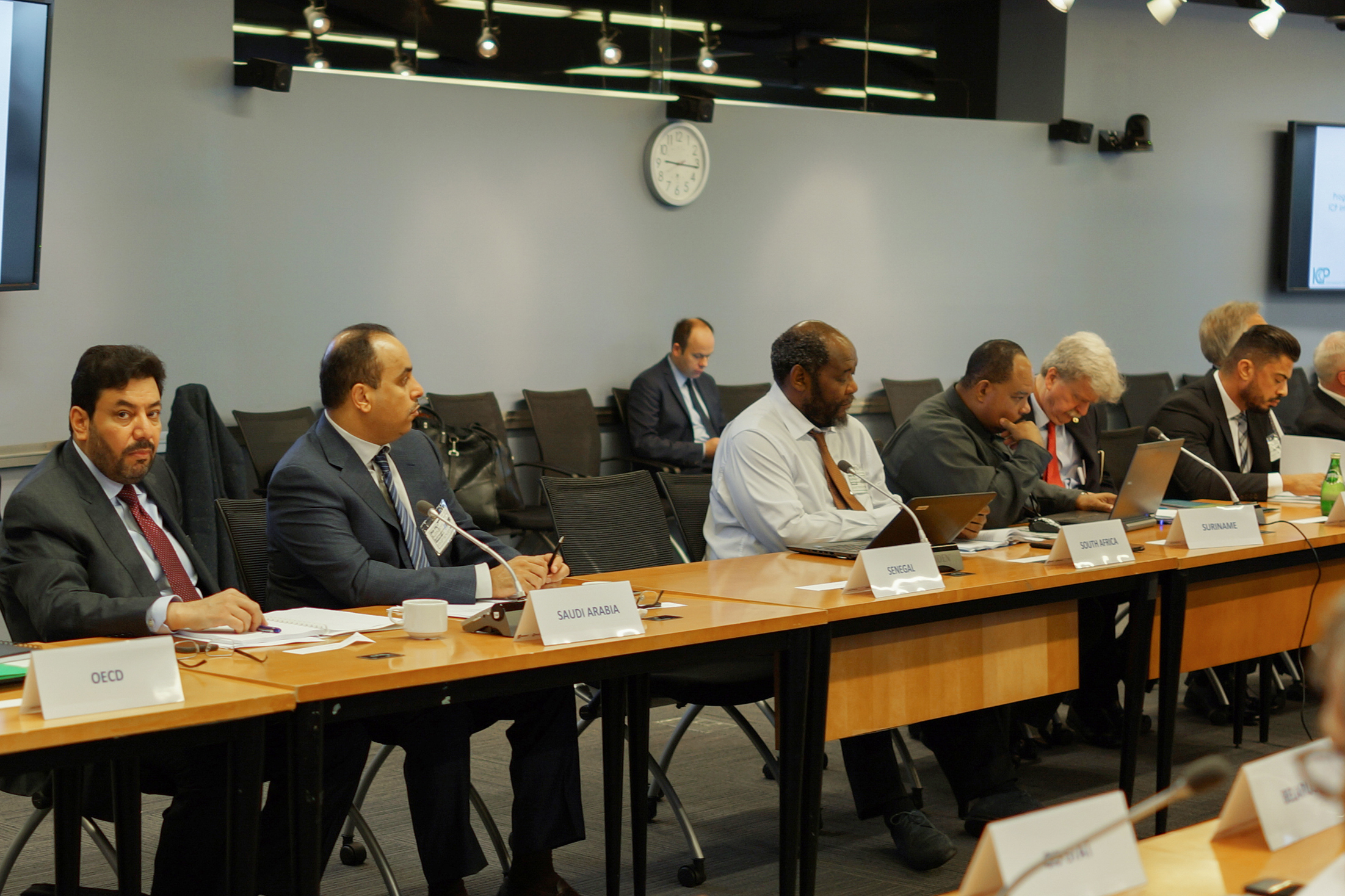
Dr. Altekhaifi: KSA's distinctive work at statistics leads to council membership and participation in recurring meetings

19-09-2017

UN International Comparison Program board of directors holds second meeting Dr. Altekhaifi: KSA's distinctive work at statistics leads to council membership and participation in recurring meetings Saudi Arabia has participated at the second meeting of the board of directors of the International Comparison Program (ICP), which was held at Washington D.C. early this week.  His Excellency, president of the General Authority for Statistics, Dr. Fahad bin Sulaiman Altekhaifi, confirmed that the program’s work and results will help shape policies for global comparison to support statistical products of the participating countries. It will also enable the General Authority for Statistics to access the best global practices for statistics for the purpose of improving and developing the statistical work. Also, it will raise the quality of the data, which will reflect positively on the decisions for development that rely mainly on statistics. On the other hand, his excellency Dr. Altekhaifi pointed out that the board of directors, which has 11 countries including Saudi Arabia, which represents west Asia, has looked into the progress made when implementing the 2017 cycle in the participating areas. The council also specified a list of research topics including, implementing a rolling survey approach and building Purchasing Power Parity (PPP) time series, integrating ICP and Consumer Price Index (CPI) activities, Streamlining the process of establishing product lists and the use of importance indicators, improving the availability and quality of input data for rents, government services, and construction, streamline the use of productivity adjustments for government services, fine tuning global linking procedures, quality assurance of resulting PPPs and measures of reliability and other topics related to statistical work. Dr. Altekhaifi added that the ICP selecting of Saudi Arabia for the membership at the 2017-2019 cycle came as a result of the positive role of the General Authority for Statistics in different statistical programs organized by the UN. It also confirmed the kingdom’s effective role on the global map of statistics. Moreover, it reflects the results of the strategic transformation of the kingdom’s Statistic sector, which the leadership cares for and supports due to its role in aiding the national development decisions.  The ICP, which is under the supervision of the World Bank, is a partnership program for statistics on a global level. It is based on a statistical system that is connected with economic analysis. It uses statistical methods to derive the necessary data to calculate the PPP for about 200 countries and economies worldwide. It will facilitate the use of PPP as currency converters. That will allow for the comparison of the total economic indicators and the economic situations of countries worldwide. It is noteworthy to mention that the ICP board of directors is compiled of executives, chairpersons, and leading experts in 11 statistical devices participating in the program. They are distributed according to the regional areas: Africa, Asia, Pacific Islands, Latin America, the Caribbean, West Asia, Commonwealth of Independence States, European Union, non-European Union States, members of the organization for Economic Cooperation and Development, representatives of the International Monetary Fund, World Bank, UN Statistics Division, and the Inter-Agency Coordination Group.
Image Alt Text

Dr. Altekhaifi: KSA's distinctive work at statistics leads to council membership and participation in recurring meetings

19-09-2017

UN International Comparison Program board of directors holds second meeting Dr. Altekhaifi: KSA's distinctive work at statistics leads to council membership and participation in recurring meetings Saudi Arabia has participated at the second meeting of the board of directors of the International Comparison Program (ICP), which was held at Washington D.C. early this week.  His Excellency, president of the General Authority for Statistics, Dr. Fahad bin Sulaiman Altekhaifi, confirmed that the program’s work and results will help shape policies for global comparison to support statistical products of the participating countries. It will also enable the General Authority for Statistics to access the best global practices for statistics for the purpose of improving and developing the statistical work. Also, it will raise the quality of the data, which will reflect positively on the decisions for development that rely mainly on statistics. On the other hand, his excellency Dr. Altekhaifi pointed out that the board of directors, which has 11 countries including Saudi Arabia, which represents west Asia, has looked into the progress made when implementing the 2017 cycle in the participating areas. The council also specified a list of research topics including, implementing a rolling survey approach and building Purchasing Power Parity (PPP) time series, integrating ICP and Consumer Price Index (CPI) activities, Streamlining the process of establishing product lists and the use of importance indicators, improving the availability and quality of input data for rents, government services, and construction, streamline the use of productivity adjustments for government services, fine tuning global linking procedures, quality assurance of resulting PPPs and measures of reliability and other topics related to statistical work. Dr. Altekhaifi added that the ICP selecting of Saudi Arabia for the membership at the 2017-2019 cycle came as a result of the positive role of the General Authority for Statistics in different statistical programs organized by the UN. It also confirmed the kingdom’s effective role on the global map of statistics. Moreover, it reflects the results of the strategic transformation of the kingdom’s Statistic sector, which the leadership cares for and supports due to its role in aiding the national development decisions.  The ICP, which is under the supervision of the World Bank, is a partnership program for statistics on a global level. It is based on a statistical system that is connected with economic analysis. It uses statistical methods to derive the necessary data to calculate the PPP for about 200 countries and economies worldwide. It will facilitate the use of PPP as currency converters. That will allow for the comparison of the total economic indicators and the economic situations of countries worldwide. It is noteworthy to mention that the ICP board of directors is compiled of executives, chairpersons, and leading experts in 11 statistical devices participating in the program. They are distributed according to the regional areas: Africa, Asia, Pacific Islands, Latin America, the Caribbean, West Asia, Commonwealth of Independence States, European Union, non-European Union States, members of the organization for Economic Cooperation and Development, representatives of the International Monetary Fund, World Bank, UN Statistics Division, and the Inter-Agency Coordination Group.
Image Alt Text

"Statistics" worked on six tracks in 90 days....Four Days and the Statistical Sector will Start a New Era

12-09-2017

"Statistics" worked on six tracks in 90 days Four Days and the Statistical Sector will Start a New Era Media Center The Saudi statistical data and information sector is starting a new era after declaring the changing of the central department of statistics to be an authority named" the general authority for statistics". This transforming will start officially on Wednesday 1st of jamad first. Director of media and statistical awareness department and the spokesman of the authority, Taiseer Almufarij states that working under the umbrella of the general authority for statistics is considered an implementation of the supreme decree number ( 64283) in 26/12/1436 H which declares transforming the central department of statistics to be a general authority called the general authority for statistics. This authority is financially and administratively independent. The supreme decree gave ninety days for the transforming process. The countdown is about to finish now and this Wednesday will be the first official day to work under the new name. Almufarij confirmed that this transforming is not only about changing the name or identity, but changing content, techniques, and mechanisms as the statistical sector must cope with all the rapid changes around it otherwise it cannot go farther.  With the increase of commercial transactions, international investments, social and economic changes, mass data revolution , and the development of digital media and portable technologies, it has been a need for the statistical work to go through a vital transforming process in order to satisfy the clients and fulfill their needs which require the authority to establish a mutual partnerships, estimate their current and future needs, unify the information sources, facilitate access to this sources, and provide more advanced statistical products. Almufarij said that the general authority for statistics is undergoing a transforming plan that has six major tracks: concentration on the client strategy, developing products and services, enhancing methodologies and procedures, upgrading information technologies and infrastructure, statistical literacy and building competences, and structuring all the authority's different tasks and departments in order to keep developing the authority and making it a distinct institution. It is worth mentioning that the Saudi statistical work has started in a very early era of the Saudi development history. It has started in 1349H /1930 AD and continued for thirty years till the issuance of the general statistics system in royal decree number (23) which made the statistical work a sector that refers technically and administratively back to an official system that cooperated in organizing the statistical sector by setting the rules of relation between the central department as it is the only central department for statistics and the other sectors. This system aimed to activate the statistical work and make it more comprehensive, and raise statistical awareness. During the last fifty eight years, the department worked on many surveys, censuses, and indicators in many different fields in Saudi Arabia.
Image Alt Text

"Statistics" worked on six tracks in 90 days....Four Days and the Statistical Sector will Start a New Era

12-09-2017

"Statistics" worked on six tracks in 90 days Four Days and the Statistical Sector will Start a New Era Media Center The Saudi statistical data and information sector is starting a new era after declaring the changing of the central department of statistics to be an authority named" the general authority for statistics". This transforming will start officially on Wednesday 1st of jamad first. Director of media and statistical awareness department and the spokesman of the authority, Taiseer Almufarij states that working under the umbrella of the general authority for statistics is considered an implementation of the supreme decree number ( 64283) in 26/12/1436 H which declares transforming the central department of statistics to be a general authority called the general authority for statistics. This authority is financially and administratively independent. The supreme decree gave ninety days for the transforming process. The countdown is about to finish now and this Wednesday will be the first official day to work under the new name. Almufarij confirmed that this transforming is not only about changing the name or identity, but changing content, techniques, and mechanisms as the statistical sector must cope with all the rapid changes around it otherwise it cannot go farther.  With the increase of commercial transactions, international investments, social and economic changes, mass data revolution , and the development of digital media and portable technologies, it has been a need for the statistical work to go through a vital transforming process in order to satisfy the clients and fulfill their needs which require the authority to establish a mutual partnerships, estimate their current and future needs, unify the information sources, facilitate access to this sources, and provide more advanced statistical products. Almufarij said that the general authority for statistics is undergoing a transforming plan that has six major tracks: concentration on the client strategy, developing products and services, enhancing methodologies and procedures, upgrading information technologies and infrastructure, statistical literacy and building competences, and structuring all the authority's different tasks and departments in order to keep developing the authority and making it a distinct institution. It is worth mentioning that the Saudi statistical work has started in a very early era of the Saudi development history. It has started in 1349H /1930 AD and continued for thirty years till the issuance of the general statistics system in royal decree number (23) which made the statistical work a sector that refers technically and administratively back to an official system that cooperated in organizing the statistical sector by setting the rules of relation between the central department as it is the only central department for statistics and the other sectors. This system aimed to activate the statistical work and make it more comprehensive, and raise statistical awareness. During the last fifty eight years, the department worked on many surveys, censuses, and indicators in many different fields in Saudi Arabia.
Image Alt Text

Dr. Altekhaifi: King Salman's speech outlines the foundations of a new development approach

12-09-2017

Dr. Fahad bin Suleiman Altekhaifi, Director General of the Central Department of Statistics and Information, affirmed that the contents of the speech delivered by the Custodian of the Two Holy Mosques King Salman bin Abdulaziz Al Saud at the outset of announcing the State’s General Budget for the fiscal year 1437/1438 AH outline a comprehensive framework for the future of the Kingdom and the effective and impactful management of its development. The Custodian of the Two Holy Mosques, King Salman bin Abdulaziz Al Saud’s directives were clearly articulated and imbued with an ambitious vision for a more stable and prosperous tomorrow.
The economic and financial reform program introduced in the speech represents a pivotal qualitative step in the journey of construction and progress. Through this program, all state institutions will be able to respond positively to the requirements of the current phase. This year’s budget contains important details of a comprehensive and integrated action plan, with the Custodian of the Two Holy Mosques King Salman bin Abdulaziz Al Saud outlining its pillars as foundational elements for building a strong and resilient economy based on ten solid principles: diversification of income sources, growth of savings, job creation, effective public-private sector partnership, continuity in implementing development and service projects, comprehensive advancement of services, improved efficiency of public spending, enhanced resource utilization, reduction of waste, and increased competitiveness of the business sector.
These ten principles form the core agenda of the Council of Economic and Development Affairs, as referenced by the Custodian of the Two Holy Mosques King Salman bin Abdulaziz Al Saud in his speech. The Council has led the transformation process with distinction and will continue to lead the development efforts in the coming period, which will witness major shifts in the management of government projects.
This places an increased responsibility on the statistical sector to ensure the quality of statistical products, especially as we now stand at the threshold of a major transformation with the conversion of the Department into the General Authority for Statistics (GASTAT). This shift aims to align statistical, data, and informational outputs with the evolving demands of the next phase of development, as these outputs constitute the primary inputs for effective developmental planning and continuous improvement.
The Director General emphasized that the statistical sector has received significant attention from the wise leadership, in recognition of its vital contribution to the development of various social, administrative, educational, economic, health, environmental, agricultural, and industrial domains. He added: “My colleagues and I in the statistical sector will spare no effort in providing everything that contributes to the development and construction of this nation’s future to perpetuate the blessings of security and prosperity upon us.

 

Image Alt Text

Dr. Altekhaifi: King Salman's speech outlines the foundations of a new development approach

12-09-2017

Dr. Fahad bin Suleiman Altekhaifi, Director General of the Central Department of Statistics and Information, affirmed that the contents of the speech delivered by the Custodian of the Two Holy Mosques King Salman bin Abdulaziz Al Saud at the outset of announcing the State’s General Budget for the fiscal year 1437/1438 AH outline a comprehensive framework for the future of the Kingdom and the effective and impactful management of its development. The Custodian of the Two Holy Mosques, King Salman bin Abdulaziz Al Saud’s directives were clearly articulated and imbued with an ambitious vision for a more stable and prosperous tomorrow.
The economic and financial reform program introduced in the speech represents a pivotal qualitative step in the journey of construction and progress. Through this program, all state institutions will be able to respond positively to the requirements of the current phase. This year’s budget contains important details of a comprehensive and integrated action plan, with the Custodian of the Two Holy Mosques King Salman bin Abdulaziz Al Saud outlining its pillars as foundational elements for building a strong and resilient economy based on ten solid principles: diversification of income sources, growth of savings, job creation, effective public-private sector partnership, continuity in implementing development and service projects, comprehensive advancement of services, improved efficiency of public spending, enhanced resource utilization, reduction of waste, and increased competitiveness of the business sector.
These ten principles form the core agenda of the Council of Economic and Development Affairs, as referenced by the Custodian of the Two Holy Mosques King Salman bin Abdulaziz Al Saud in his speech. The Council has led the transformation process with distinction and will continue to lead the development efforts in the coming period, which will witness major shifts in the management of government projects.
This places an increased responsibility on the statistical sector to ensure the quality of statistical products, especially as we now stand at the threshold of a major transformation with the conversion of the Department into the General Authority for Statistics (GASTAT). This shift aims to align statistical, data, and informational outputs with the evolving demands of the next phase of development, as these outputs constitute the primary inputs for effective developmental planning and continuous improvement.
The Director General emphasized that the statistical sector has received significant attention from the wise leadership, in recognition of its vital contribution to the development of various social, administrative, educational, economic, health, environmental, agricultural, and industrial domains. He added: “My colleagues and I in the statistical sector will spare no effort in providing everything that contributes to the development and construction of this nation’s future to perpetuate the blessings of security and prosperity upon us.


Image Alt Text

Director of the Department: transforming statistics into an Authority establishes effective partnerships

12-09-2017

Dr. Fahad Altekhaifi, Director of the Central Department of Statistics and Information, stated that the transformation into a “General Authority” will focus on two principal areas: serving clients and beneficiaries—which encompass all entities that utilize statistical products—and enhancing the quality of these products to more effectively support data-driven decision-making that benefits both citizens and residents.
Altekhaifi explained that the statistical sector, in its new institutional form represented by the Authority and associated statistical departments, will strive to establish effective partnerships across all sectors. The objective is to consolidate the source of official statistics and accelerate their dissemination through formats and services that enable users to leverage the information and maximize its impact.
Speaking during a workshop held yesterday at the Department’s headquarters in Riyadh, which brought together more than thirty officials and specialists from various public and private sector institutions, Altekhaifi emphasized that clients are at the core of the transformation initiative launched by the Department, aimed at establishing a high-caliber statistical authority aligned with international standards relevant to development.
Government and private sector stakeholders involved in statistical work affirmed that the ongoing transformation of Saudi Arabia’s statistical sector—spearheaded by the Central Department of Statistics and Information—is advancing rapidly and cohesively, keeping pace with the evolving demands of both national and global economies.
The workshop, organized by the Central Department of Statistics and Information, aimed to engage all beneficiaries and partners of statistical products in the transition toward the establishment of the General Authority for Statistics (GASTAT), and to develop a unified vision regarding the Authority’s current and future strategic priorities.
The Department’s meeting halls witnessed a dynamic exchange of ideas and expertise, with the participation of representatives from the Ministries of Economy and Planning, Commerce, Labor, Housing, Civil Service, Social Affairs, Education, Health, Culture and Information, Water and Electricity, and Communications and Information Technology. Also in attendance were the General Investment Authority, the Saudi Export Development Authority, the General Commission for Audiovisual Media, the Saudi Arabian Monetary Authority, the e-Government Program (Yesser), King Saud University, Saudi Aramco, and a number of independent Saudi consultants.
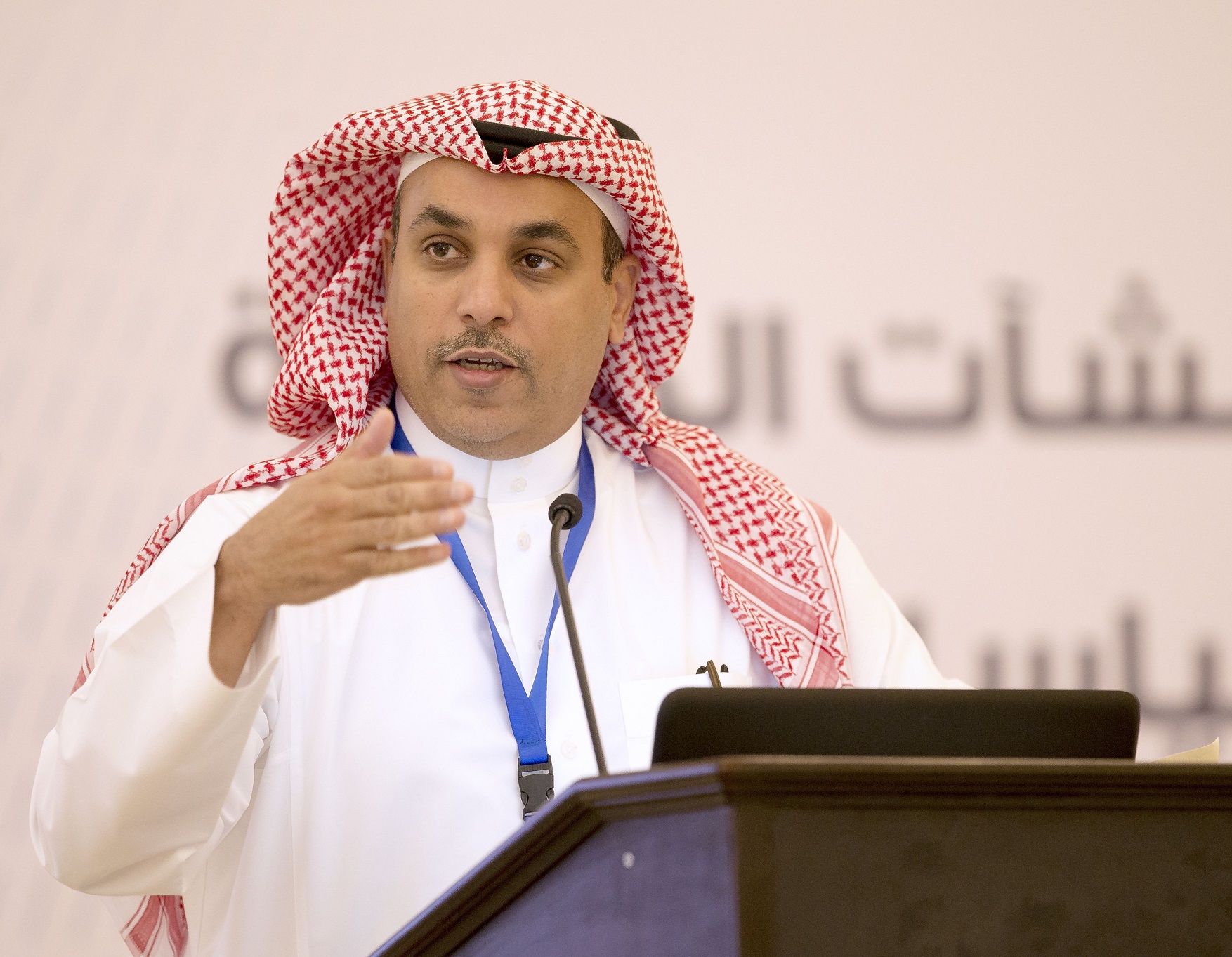
 

Image Alt Text

Director of the Department: transforming statistics into an Authority establishes effective partnerships

12-09-2017

Dr. Fahad Altekhaifi, Director of the Central Department of Statistics and Information, stated that the transformation into a “General Authority” will focus on two principal areas: serving clients and beneficiaries—which encompass all entities that utilize statistical products—and enhancing the quality of these products to more effectively support data-driven decision-making that benefits both citizens and residents.
Altekhaifi explained that the statistical sector, in its new institutional form represented by the Authority and associated statistical departments, will strive to establish effective partnerships across all sectors. The objective is to consolidate the source of official statistics and accelerate their dissemination through formats and services that enable users to leverage the information and maximize its impact.
Speaking during a workshop held yesterday at the Department’s headquarters in Riyadh, which brought together more than thirty officials and specialists from various public and private sector institutions, Altekhaifi emphasized that clients are at the core of the transformation initiative launched by the Department, aimed at establishing a high-caliber statistical authority aligned with international standards relevant to development.
Government and private sector stakeholders involved in statistical work affirmed that the ongoing transformation of Saudi Arabia’s statistical sector—spearheaded by the Central Department of Statistics and Information—is advancing rapidly and cohesively, keeping pace with the evolving demands of both national and global economies.
The workshop, organized by the Central Department of Statistics and Information, aimed to engage all beneficiaries and partners of statistical products in the transition toward the establishment of the General Authority for Statistics (GASTAT), and to develop a unified vision regarding the Authority’s current and future strategic priorities.
The Department’s meeting halls witnessed a dynamic exchange of ideas and expertise, with the participation of representatives from the Ministries of Economy and Planning, Commerce, Labor, Housing, Civil Service, Social Affairs, Education, Health, Culture and Information, Water and Electricity, and Communications and Information Technology. Also in attendance were the General Investment Authority, the Saudi Export Development Authority, the General Commission for Audiovisual Media, the Saudi Arabian Monetary Authority, the e-Government Program (Yesser), King Saud University, Saudi Aramco, and a number of independent Saudi consultants.


Image Alt Text

Collaboration between GsStat and the private sector to develop statistical work

12-09-2017
announcing (6) new economic surveys to support development Collaboration between GsStat and the private sector to develop statistical work GaStat revealed new economic surveys to be implemented this year and next year. These surveys aim at fulfilling the development needs, they include: insurance activity survey, direct foreign investment survey, intermediate and small establishments survey, retail activity survey, non-profit sector survey, and tourism survey.  This was mentioned in the second workshop held by GaStat yesterday (Monday) 13th February 2017 in Jeddah. HE dr. Fahad bin Sulaiman Altekhaifi, GaStat president, said that the private sector is an essential partner in the national development. He added, it integrates all public sectors and institutions in a way that strengthens the national economy. The collaboration between "statistics" and the private sector is part of the developmental movements which aim at achieving the 2030 Saudi vision and representing that with indicators that reflect the progress in the achievement of this vision. The role of GaStat, statistical national commission, and the statistical sector in general became more important now as the need for accurate statistical data, effective indicators, and measurement tools increased. Dr. Fahad indicated that one of the most important stages that GaStat works on these days is meeting the clients' needs whether from the public or private sector. It also works on establishing effective collaborations locally, nationally, and internationally with related parties. In addition to creating indicators necessary for current and future needs. GaStat works with its partners on unifying the information sources, facilitating their access, and providing innovative statistical products with international standards.   On the other hand, Mrs. Kholoud Aldakhail, the national statistical commission chairman, stated that the commission was established under the umbrella of the council of Saudi chambers based on the Saudi chambers board resolution number 13 /88/m issued in 15/6/1437 H as response to the ministry of economy and planning and GaStat request. This reflects GaStat initiative to make the private sector a collaborative sector. She asserted that the role of this committee, which include 23 members who work in the field of statistics, data, and information, is represented in the coordination with Saudi chambers of commerce all over Saudi Arabia. The coordination will be about statistical work activation, data exchange, and proposing methods to enhance the statistical work impacts on the private sector. Furthermore, it deals with elaborating the use of statistics in private sector, deepen relations between GaStat and Saudi chambers of commerce.  The workshop discussed two main themes; the requirements of data users in the private sector as one of the statistical sector components, determining required additional data by activity, and the proposed methods to develop the mechanism of data collection from the private sector institutions. GaStat has presented the economic surveys and the new surveys that will be implemented by them during these two years. They also presented the six tracks based on which the authority work which can be summarized in; a work strategy about the authority clients and partners to fulfill the actual need of statistical products, then developing these products and services and improving the statistical operations and methodologies. Also, raising the level of information technology and digital infrastructure to enable products to start from a strong base that can be adapted with any change. Moreover, focusing on raising statistical awareness, and building capabilities in the statistical field. In addition to structuring all GaStat tasks and departments.  At the end of the workshop, dr. Fahad expressed his thanks to all the participants. He asserted that the workshop outputs will contribute in enhancing the effectiveness of the decisions made by the private sector and its policy makers for the citizen's advantage and society economies which enhance his role in the domestic product growth, and guarantee making proper decisions based on accurate data to facilitate measuring their result and reflections.
Image Alt Text

Collaboration between GsStat and the private sector to develop statistical work

12-09-2017

announcing (6) new economic surveys to support development Collaboration between GsStat and the private sector to develop statistical work GaStat revealed new economic surveys to be implemented this year and next year. These surveys aim at fulfilling the development needs, they include: insurance activity survey, direct foreign investment survey, intermediate and small establishments survey, retail activity survey, non-profit sector survey, and tourism survey.  This was mentioned in the second workshop held by GaStat yesterday (Monday) 13th February 2017 in Jeddah. HE dr. Fahad bin Sulaiman Altekhaifi, GaStat president, said that the private sector is an essential partner in the national development. He added, it integrates all public sectors and institutions in a way that strengthens the national economy. The collaboration between "statistics" and the private sector is part of the developmental movements which aim at achieving the 2030 Saudi vision and representing that with indicators that reflect the progress in the achievement of this vision. The role of GaStat, statistical national commission, and the statistical sector in general became more important now as the need for accurate statistical data, effective indicators, and measurement tools increased. Dr. Fahad indicated that one of the most important stages that GaStat works on these days is meeting the clients' needs whether from the public or private sector. It also works on establishing effective collaborations locally, nationally, and internationally with related parties. In addition to creating indicators necessary for current and future needs. GaStat works with its partners on unifying the information sources, facilitating their access, and providing innovative statistical products with international standards.   On the other hand, Mrs. Kholoud Aldakhail, the national statistical commission chairman, stated that the commission was established under the umbrella of the council of Saudi chambers based on the Saudi chambers board resolution number 13 /88/m issued in 15/6/1437 H as response to the ministry of economy and planning and GaStat request. This reflects GaStat initiative to make the private sector a collaborative sector. She asserted that the role of this committee, which include 23 members who work in the field of statistics, data, and information, is represented in the coordination with Saudi chambers of commerce all over Saudi Arabia. The coordination will be about statistical work activation, data exchange, and proposing methods to enhance the statistical work impacts on the private sector. Furthermore, it deals with elaborating the use of statistics in private sector, deepen relations between GaStat and Saudi chambers of commerce.  The workshop discussed two main themes; the requirements of data users in the private sector as one of the statistical sector components, determining required additional data by activity, and the proposed methods to develop the mechanism of data collection from the private sector institutions. GaStat has presented the economic surveys and the new surveys that will be implemented by them during these two years. They also presented the six tracks based on which the authority work which can be summarized in; a work strategy about the authority clients and partners to fulfill the actual need of statistical products, then developing these products and services and improving the statistical operations and methodologies. Also, raising the level of information technology and digital infrastructure to enable products to start from a strong base that can be adapted with any change. Moreover, focusing on raising statistical awareness, and building capabilities in the statistical field. In addition to structuring all GaStat tasks and departments.  At the end of the workshop, dr. Fahad expressed his thanks to all the participants. He asserted that the workshop outputs will contribute in enhancing the effectiveness of the decisions made by the private sector and its policy makers for the citizen's advantage and society economies which enhance his role in the domestic product growth, and guarantee making proper decisions based on accurate data to facilitate measuring their result and reflections.
Image Alt Text

GaStat: We work on developing data of labour market to support decision makers

12-09-2017

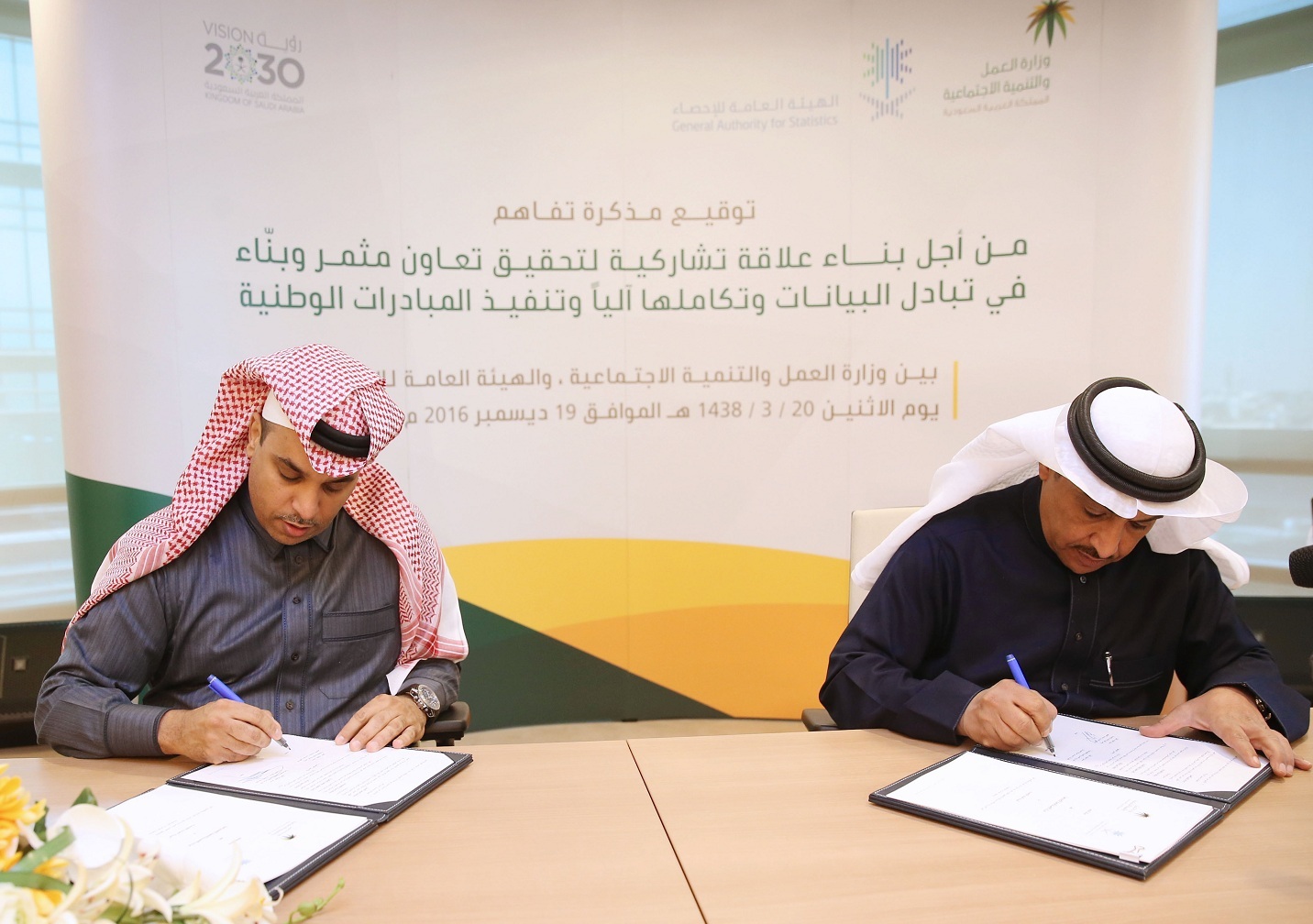
Signed a joint memorandum of understanding with the Ministry of Labour and Social Development GaStat: We work on developing data of labour market to support decision makers On Monday 20 Rabī‘ al-awwal,1438 corresponding to December 19, 2016 , GaStat signed a memorandum of understanding to develop electronic data exchange and integration and the implementation of a number of joint national initiatives relevant to the data of labour market in the Kingdom of Saudi Arabia. The national Labour Market Observatory and the "Labour Market bulletin" are considered the main outputs of this memorandum. Mr. Taiseer Almofarrej, GaStat's official spokesman, clarified that the joint work in the field of data exchange with the Ministry of Labour and Social Development is a work in progress, and that the memo signed today by His Excellency Dr. Fahad Altekhaifi, GaStats President, and His Excellency the Deputy Minister of Labour and Social Development, Mr. Ahmad Saleh Alhomaidan in the framework of developing joint work, particularly after the merging of  the Labour with Social Development is made to keep pace with the new changes in this field. Emphasizing on the importance of collaboration to provide statistical services  that support decision makers and users by providing statistical data and information that is immediate, comprehensive, reliable and flexible in the best interest of beneficiaries either citizens or residents. Almofarrej stressed that the reinforcement of collaboration between GaStat and the Ministry is based on developing entire statistical products related to labour force, social development, establishments, statistical data exchange and integration and the integration of work at the relevant national observatories. The joint work also includes the unifying of standards, classifications and definitions of labour force, social development and establishments. The memorandum contributes in achieving the goals of the social development national strategy, the Saudi employment strategy, the tenth development plan, the privatization strategy and the national strategy of statistical development.  GaStat's official spokesman also asserted that most important outcomes of this collaboration is: the support of statistical data production and dissemination through surveys and administrative records carried out by GaStat and the Ministry on a regular basis, total coordination regarding labour force statistical data dissemination, facilitate cooperation in the exchange and flow of information, the development of Saudi labour market data system through providing a statistical database that is highly accurate to be used by decision makers, planners, researchers and relevant entities, unify efforts to ensure getting accurate statistical data for the most important indicators of the labour market and social development which contribute in the measurement of the 2030 Saudi Vision and the 2020 national transformation program, meet the requirements of the beneficiary entities, the collaboration in establishing a databases for GaStat which are not-for-profit, associations and charities, cooperative committees and social development centers, the collaboration and coordination to reinforce the specialized observatories currently in place, establish and prepare new statistical products specializes in the labour market and social development issues.  On the other hand, Mr. Taiseer Almofarrej clarified that GaStat is currently working in collaboration with the Ministry of Labour and Social development, Ministry of Civil Services, Human resources Development Fund and the General Organization for Social Insurance to develop the labour market data through the production of "Labour Market Bulletin" to be a periodic integrated bulletin that meets the demand for suitable trained and qualified manpower , and the supply side of the population of who are capable of working and willing to search for a job at  certain period of time. The bulletin will be the updated version of the quarterly Labour force Survey results conducted by GaStat.
Image Alt Text

GaStat: We work on developing data of labour market to support decision makers

12-09-2017

Signed a joint memorandum of understanding with the Ministry of Labour and Social Development GaStat: We work on developing data of labour market to support decision makers On Monday 20 Rabī‘ al-awwal,1438 corresponding to December 19, 2016 , GaStat signed a memorandum of understanding to develop electronic data exchange and integration and the implementation of a number of joint national initiatives relevant to the data of labour market in the Kingdom of Saudi Arabia. The national Labour Market Observatory and the "Labour Market bulletin" are considered the main outputs of this memorandum. Mr. Taiseer Almofarrej, GaStat's official spokesman, clarified that the joint work in the field of data exchange with the Ministry of Labour and Social Development is a work in progress, and that the memo signed today by His Excellency Dr. Fahad Altekhaifi, GaStats President, and His Excellency the Deputy Minister of Labour and Social Development, Mr. Ahmad Saleh Alhomaidan in the framework of developing joint work, particularly after the merging of  the Labour with Social Development is made to keep pace with the new changes in this field. Emphasizing on the importance of collaboration to provide statistical services  that support decision makers and users by providing statistical data and information that is immediate, comprehensive, reliable and flexible in the best interest of beneficiaries either citizens or residents. Almofarrej stressed that the reinforcement of collaboration between GaStat and the Ministry is based on developing entire statistical products related to labour force, social development, establishments, statistical data exchange and integration and the integration of work at the relevant national observatories. The joint work also includes the unifying of standards, classifications and definitions of labour force, social development and establishments. The memorandum contributes in achieving the goals of the social development national strategy, the Saudi employment strategy, the tenth development plan, the privatization strategy and the national strategy of statistical development.  GaStat's official spokesman also asserted that most important outcomes of this collaboration is: the support of statistical data production and dissemination through surveys and administrative records carried out by GaStat and the Ministry on a regular basis, total coordination regarding labour force statistical data dissemination, facilitate cooperation in the exchange and flow of information, the development of Saudi labour market data system through providing a statistical database that is highly accurate to be used by decision makers, planners, researchers and relevant entities, unify efforts to ensure getting accurate statistical data for the most important indicators of the labour market and social development which contribute in the measurement of the 2030 Saudi Vision and the 2020 national transformation program, meet the requirements of the beneficiary entities, the collaboration in establishing a databases for GaStat which are not-for-profit, associations and charities, cooperative committees and social development centers, the collaboration and coordination to reinforce the specialized observatories currently in place, establish and prepare new statistical products specializes in the labour market and social development issues.  On the other hand, Mr. Taiseer Almofarrej clarified that GaStat is currently working in collaboration with the Ministry of Labour and Social development, Ministry of Civil Services, Human resources Development Fund and the General Organization for Social Insurance to develop the labour market data through the production of "Labour Market Bulletin" to be a periodic integrated bulletin that meets the demand for suitable trained and qualified manpower , and the supply side of the population of who are capable of working and willing to search for a job at  certain period of time. The bulletin will be the updated version of the quarterly Labour force Survey results conducted by GaStat.
Image Alt Text

GaStat: Real Estate Index Decreased by (6.3%) compared to the previous year and stabilized compared to Second Quarter

26-10-2017

GaStat: Real Estate Index Decreased by (6.3%) compared to the previous year and stabilized compared to Second Quarter On Tuesday Safar 4th, 1439 (October 24th,2017), GaStat issued its quarterly indicator of the real estate price general index in the Kingdom of Saudi Arabia for the third quarter (2017) and published it through its official website www.stats.gov.sa . This indicator is based on available registry data of the Ministry of Justice regarding real estate transactions. This indicator is an essential tool that supports entities which make economic and statistical decisions regarding the real estate price movements and future forecasts during different periods of time. The indicator includes three main sectors consisting of many real estate types: residential sector (piece of land, building, villa, apartment, and house), commercial sector (piece of land, building, shop, gallery and commercial centre), and agricultural sector which only includes agricultural land. The index of real estate prices for the third quarter 2017 recorded a relative stability compared to the previous quarter (second quarter 2017), reaching (84.9) in the third quarter 2017. The report attributed the stability of the real estate price index for the third quarter of 2017 to the varying percentage of change in the main sectors composing the indicator. The commercial sector witnessed a decline by (1.0%), the residential sector witnesses an increase by (0.2%), while the agricultural sector was stable without any relative change. The indicator recorded a decline of (6.3%) compared to the same quarter of the previous year (third quarter 2017). The report attributed this decline to the decline in the main sectors composing the indicator: the residential sector (7.9%), the commercial sector (10.9%) and the agricultural sector (1.0%).
logo-vertical

GaStat: The Saudi unemployment rate is 12.8% in the 2nd Quarter (2017)

02-10-2017

Labor Market Bulletin Includes 67 Statistical indicators GaStat: The Saudi unemployment rate is 12.8% in the 2nd Quarter (2017)  The General authority for Statistics (GaStat) published the Labor Market Bulletin for the second quarter of 2017 on Sunday Muharram 11th,1439H (Corresponding to October 1st,2017) which provides comprehensive data and indicators on the labor market in the Kingdom from April 1st to June 30th, 2017 (Corresponding to Rajab 15th to Shawwal 6th, 1438H) to support decision and policy makers regarding labor force. It also contributes in building a database on the labor market in the Kingdom that can be used to prepare and plan future social and economic development programs. The quarterly bulletin includes 67 statistical indicators which contain data and indicators from the Labor Force Survey estimates and labor market data from the administrative records of the relevant entities (Ministry of Labor and Social Development, Ministry of Civil Service, General Organization for Social Insurance(GOSI), Human Resources Development Fund and National Information Center) applying international standards in this area. The results of the bulletin for the second quarter of 2017 indicated that the total number of employees from the data of administrative records in the Kingdom of Saudi Arabia reached (13,841,158) individuals compared to (13,889,137) for the first quarter of 2017.   According to the results of the bulletin also from the data of administrative records in the government agencies for the second quarter of 2017, the total number of Saudis seeking work reached (1,075,933) individuals, (216,352) of them are males and (859,581) are females. The results also showed that the highest percentage of Saudis seeking employment was among the age group (25-29), which is (34.2%). Also according to the results of the administrative records data, nearly half of the Saudi job seekers hold university degrees reaching (50.5%). The results of the bulletin showed that the unemployment rate in Saudi Arabia for the Saudi population (15 years and over) from the Labor Force Survey estimates for the second quarter 2017 reached (12.8%), (7.4%) are males and (33.1%) are females. And the unemployment rate in the Kingdom for the total population (15 years and over) is (6.0%), (3.3%) are males and (22.9%) are females. The results also showed that (11.6%) of the unemployed Saudis had previously worked, and (32.9%) of unemployed Saudis who had previously worked left their jobs due to dismissal from the employer. The survey results also showed that (9.6%) of unemployed Saudis have already been trained. Regarding the economic activity rate of total population (15 years and over) it reached (54.2%), divided between males (78.2%) and females (18.7%). In its bulletin, GaStat also explained that the economic activity rate for total Saudi population (15 years and over) reached (40.3%). The bulletin included a large number of detailed data on workers according to the regulations they are subject to, nationality, sex, age, administrative region and educational level, as well as data for job seekers, average monthly wages, working hours and domestic workers. For more details, you can view the bulletin through Gastat’s official website: www.stats.gov.sa
Image Alt Text

Dr. Altekhaifi: KSA's distinctive work at statistics leads to council membership and participation in recurring meetings

19-09-2017

UN International Comparison Program board of directors holds second meeting Dr. Altekhaifi: KSA's distinctive work at statistics leads to council membership and participation in recurring meetings Saudi Arabia has participated at the second meeting of the board of directors of the International Comparison Program (ICP), which was held at Washington D.C. early this week.  His Excellency, president of the General Authority for Statistics, Dr. Fahad bin Sulaiman Altekhaifi, confirmed that the program’s work and results will help shape policies for global comparison to support statistical products of the participating countries. It will also enable the General Authority for Statistics to access the best global practices for statistics for the purpose of improving and developing the statistical work. Also, it will raise the quality of the data, which will reflect positively on the decisions for development that rely mainly on statistics. On the other hand, his excellency Dr. Altekhaifi pointed out that the board of directors, which has 11 countries including Saudi Arabia, which represents west Asia, has looked into the progress made when implementing the 2017 cycle in the participating areas. The council also specified a list of research topics including, implementing a rolling survey approach and building Purchasing Power Parity (PPP) time series, integrating ICP and Consumer Price Index (CPI) activities, Streamlining the process of establishing product lists and the use of importance indicators, improving the availability and quality of input data for rents, government services, and construction, streamline the use of productivity adjustments for government services, fine tuning global linking procedures, quality assurance of resulting PPPs and measures of reliability and other topics related to statistical work. Dr. Altekhaifi added that the ICP selecting of Saudi Arabia for the membership at the 2017-2019 cycle came as a result of the positive role of the General Authority for Statistics in different statistical programs organized by the UN. It also confirmed the kingdom’s effective role on the global map of statistics. Moreover, it reflects the results of the strategic transformation of the kingdom’s Statistic sector, which the leadership cares for and supports due to its role in aiding the national development decisions.  The ICP, which is under the supervision of the World Bank, is a partnership program for statistics on a global level. It is based on a statistical system that is connected with economic analysis. It uses statistical methods to derive the necessary data to calculate the PPP for about 200 countries and economies worldwide. It will facilitate the use of PPP as currency converters. That will allow for the comparison of the total economic indicators and the economic situations of countries worldwide. It is noteworthy to mention that the ICP board of directors is compiled of executives, chairpersons, and leading experts in 11 statistical devices participating in the program. They are distributed according to the regional areas: Africa, Asia, Pacific Islands, Latin America, the Caribbean, West Asia, Commonwealth of Independence States, European Union, non-European Union States, members of the organization for Economic Cooperation and Development, representatives of the International Monetary Fund, World Bank, UN Statistics Division, and the Inter-Agency Coordination Group.
Image Alt Text

"Statistics" worked on six tracks in 90 days....Four Days and the Statistical Sector will Start a New Era

12-09-2017

"Statistics" worked on six tracks in 90 days Four Days and the Statistical Sector will Start a New Era Media Center The Saudi statistical data and information sector is starting a new era after declaring the changing of the central department of statistics to be an authority named" the general authority for statistics". This transforming will start officially on Wednesday 1st of jamad first. Director of media and statistical awareness department and the spokesman of the authority, Taiseer Almufarij states that working under the umbrella of the general authority for statistics is considered an implementation of the supreme decree number ( 64283) in 26/12/1436 H which declares transforming the central department of statistics to be a general authority called the general authority for statistics. This authority is financially and administratively independent. The supreme decree gave ninety days for the transforming process. The countdown is about to finish now and this Wednesday will be the first official day to work under the new name. Almufarij confirmed that this transforming is not only about changing the name or identity, but changing content, techniques, and mechanisms as the statistical sector must cope with all the rapid changes around it otherwise it cannot go farther.  With the increase of commercial transactions, international investments, social and economic changes, mass data revolution , and the development of digital media and portable technologies, it has been a need for the statistical work to go through a vital transforming process in order to satisfy the clients and fulfill their needs which require the authority to establish a mutual partnerships, estimate their current and future needs, unify the information sources, facilitate access to this sources, and provide more advanced statistical products. Almufarij said that the general authority for statistics is undergoing a transforming plan that has six major tracks: concentration on the client strategy, developing products and services, enhancing methodologies and procedures, upgrading information technologies and infrastructure, statistical literacy and building competences, and structuring all the authority's different tasks and departments in order to keep developing the authority and making it a distinct institution. It is worth mentioning that the Saudi statistical work has started in a very early era of the Saudi development history. It has started in 1349H /1930 AD and continued for thirty years till the issuance of the general statistics system in royal decree number (23) which made the statistical work a sector that refers technically and administratively back to an official system that cooperated in organizing the statistical sector by setting the rules of relation between the central department as it is the only central department for statistics and the other sectors. This system aimed to activate the statistical work and make it more comprehensive, and raise statistical awareness. During the last fifty eight years, the department worked on many surveys, censuses, and indicators in many different fields in Saudi Arabia.
Image Alt Text

Dr. Altekhaifi: King Salman's speech outlines the foundations of a new development approach

12-09-2017

Dr. Fahad bin Suleiman Altekhaifi, Director General of the Central Department of Statistics and Information, affirmed that the contents of the speech delivered by the Custodian of the Two Holy Mosques King Salman bin Abdulaziz Al Saud at the outset of announcing the State’s General Budget for the fiscal year 1437/1438 AH outline a comprehensive framework for the future of the Kingdom and the effective and impactful management of its development. The Custodian of the Two Holy Mosques, King Salman bin Abdulaziz Al Saud’s directives were clearly articulated and imbued with an ambitious vision for a more stable and prosperous tomorrow.
The economic and financial reform program introduced in the speech represents a pivotal qualitative step in the journey of construction and progress. Through this program, all state institutions will be able to respond positively to the requirements of the current phase. This year’s budget contains important details of a comprehensive and integrated action plan, with the Custodian of the Two Holy Mosques King Salman bin Abdulaziz Al Saud outlining its pillars as foundational elements for building a strong and resilient economy based on ten solid principles: diversification of income sources, growth of savings, job creation, effective public-private sector partnership, continuity in implementing development and service projects, comprehensive advancement of services, improved efficiency of public spending, enhanced resource utilization, reduction of waste, and increased competitiveness of the business sector.
These ten principles form the core agenda of the Council of Economic and Development Affairs, as referenced by the Custodian of the Two Holy Mosques King Salman bin Abdulaziz Al Saud in his speech. The Council has led the transformation process with distinction and will continue to lead the development efforts in the coming period, which will witness major shifts in the management of government projects.
This places an increased responsibility on the statistical sector to ensure the quality of statistical products, especially as we now stand at the threshold of a major transformation with the conversion of the Department into the General Authority for Statistics (GASTAT). This shift aims to align statistical, data, and informational outputs with the evolving demands of the next phase of development, as these outputs constitute the primary inputs for effective developmental planning and continuous improvement.
The Director General emphasized that the statistical sector has received significant attention from the wise leadership, in recognition of its vital contribution to the development of various social, administrative, educational, economic, health, environmental, agricultural, and industrial domains. He added: “My colleagues and I in the statistical sector will spare no effort in providing everything that contributes to the development and construction of this nation’s future to perpetuate the blessings of security and prosperity upon us.


Image Alt Text

Director of the Department: transforming statistics into an Authority establishes effective partnerships

12-09-2017

Dr. Fahad Altekhaifi, Director of the Central Department of Statistics and Information, stated that the transformation into a “General Authority” will focus on two principal areas: serving clients and beneficiaries—which encompass all entities that utilize statistical products—and enhancing the quality of these products to more effectively support data-driven decision-making that benefits both citizens and residents.
Altekhaifi explained that the statistical sector, in its new institutional form represented by the Authority and associated statistical departments, will strive to establish effective partnerships across all sectors. The objective is to consolidate the source of official statistics and accelerate their dissemination through formats and services that enable users to leverage the information and maximize its impact.
Speaking during a workshop held yesterday at the Department’s headquarters in Riyadh, which brought together more than thirty officials and specialists from various public and private sector institutions, Altekhaifi emphasized that clients are at the core of the transformation initiative launched by the Department, aimed at establishing a high-caliber statistical authority aligned with international standards relevant to development.
Government and private sector stakeholders involved in statistical work affirmed that the ongoing transformation of Saudi Arabia’s statistical sector—spearheaded by the Central Department of Statistics and Information—is advancing rapidly and cohesively, keeping pace with the evolving demands of both national and global economies.
The workshop, organized by the Central Department of Statistics and Information, aimed to engage all beneficiaries and partners of statistical products in the transition toward the establishment of the General Authority for Statistics (GASTAT), and to develop a unified vision regarding the Authority’s current and future strategic priorities.
The Department’s meeting halls witnessed a dynamic exchange of ideas and expertise, with the participation of representatives from the Ministries of Economy and Planning, Commerce, Labor, Housing, Civil Service, Social Affairs, Education, Health, Culture and Information, Water and Electricity, and Communications and Information Technology. Also in attendance were the General Investment Authority, the Saudi Export Development Authority, the General Commission for Audiovisual Media, the Saudi Arabian Monetary Authority, the e-Government Program (Yesser), King Saud University, Saudi Aramco, and a number of independent Saudi consultants.


Image Alt Text

Collaboration between GsStat and the private sector to develop statistical work

12-09-2017

announcing (6) new economic surveys to support development Collaboration between GsStat and the private sector to develop statistical work GaStat revealed new economic surveys to be implemented this year and next year. These surveys aim at fulfilling the development needs, they include: insurance activity survey, direct foreign investment survey, intermediate and small establishments survey, retail activity survey, non-profit sector survey, and tourism survey.  This was mentioned in the second workshop held by GaStat yesterday (Monday) 13th February 2017 in Jeddah. HE dr. Fahad bin Sulaiman Altekhaifi, GaStat president, said that the private sector is an essential partner in the national development. He added, it integrates all public sectors and institutions in a way that strengthens the national economy. The collaboration between "statistics" and the private sector is part of the developmental movements which aim at achieving the 2030 Saudi vision and representing that with indicators that reflect the progress in the achievement of this vision. The role of GaStat, statistical national commission, and the statistical sector in general became more important now as the need for accurate statistical data, effective indicators, and measurement tools increased. Dr. Fahad indicated that one of the most important stages that GaStat works on these days is meeting the clients' needs whether from the public or private sector. It also works on establishing effective collaborations locally, nationally, and internationally with related parties. In addition to creating indicators necessary for current and future needs. GaStat works with its partners on unifying the information sources, facilitating their access, and providing innovative statistical products with international standards.   On the other hand, Mrs. Kholoud Aldakhail, the national statistical commission chairman, stated that the commission was established under the umbrella of the council of Saudi chambers based on the Saudi chambers board resolution number 13 /88/m issued in 15/6/1437 H as response to the ministry of economy and planning and GaStat request. This reflects GaStat initiative to make the private sector a collaborative sector. She asserted that the role of this committee, which include 23 members who work in the field of statistics, data, and information, is represented in the coordination with Saudi chambers of commerce all over Saudi Arabia. The coordination will be about statistical work activation, data exchange, and proposing methods to enhance the statistical work impacts on the private sector. Furthermore, it deals with elaborating the use of statistics in private sector, deepen relations between GaStat and Saudi chambers of commerce.  The workshop discussed two main themes; the requirements of data users in the private sector as one of the statistical sector components, determining required additional data by activity, and the proposed methods to develop the mechanism of data collection from the private sector institutions. GaStat has presented the economic surveys and the new surveys that will be implemented by them during these two years. They also presented the six tracks based on which the authority work which can be summarized in; a work strategy about the authority clients and partners to fulfill the actual need of statistical products, then developing these products and services and improving the statistical operations and methodologies. Also, raising the level of information technology and digital infrastructure to enable products to start from a strong base that can be adapted with any change. Moreover, focusing on raising statistical awareness, and building capabilities in the statistical field. In addition to structuring all GaStat tasks and departments.  At the end of the workshop, dr. Fahad expressed his thanks to all the participants. He asserted that the workshop outputs will contribute in enhancing the effectiveness of the decisions made by the private sector and its policy makers for the citizen's advantage and society economies which enhance his role in the domestic product growth, and guarantee making proper decisions based on accurate data to facilitate measuring their result and reflections.
Image Alt Text

GaStat: We work on developing data of labour market to support decision makers

12-09-2017

Signed a joint memorandum of understanding with the Ministry of Labour and Social Development GaStat: We work on developing data of labour market to support decision makers On Monday 20 Rabī‘ al-awwal,1438 corresponding to December 19, 2016 , GaStat signed a memorandum of understanding to develop electronic data exchange and integration and the implementation of a number of joint national initiatives relevant to the data of labour market in the Kingdom of Saudi Arabia. The national Labour Market Observatory and the "Labour Market bulletin" are considered the main outputs of this memorandum. Mr. Taiseer Almofarrej, GaStat's official spokesman, clarified that the joint work in the field of data exchange with the Ministry of Labour and Social Development is a work in progress, and that the memo signed today by His Excellency Dr. Fahad Altekhaifi, GaStats President, and His Excellency the Deputy Minister of Labour and Social Development, Mr. Ahmad Saleh Alhomaidan in the framework of developing joint work, particularly after the merging of  the Labour with Social Development is made to keep pace with the new changes in this field. Emphasizing on the importance of collaboration to provide statistical services  that support decision makers and users by providing statistical data and information that is immediate, comprehensive, reliable and flexible in the best interest of beneficiaries either citizens or residents. Almofarrej stressed that the reinforcement of collaboration between GaStat and the Ministry is based on developing entire statistical products related to labour force, social development, establishments, statistical data exchange and integration and the integration of work at the relevant national observatories. The joint work also includes the unifying of standards, classifications and definitions of labour force, social development and establishments. The memorandum contributes in achieving the goals of the social development national strategy, the Saudi employment strategy, the tenth development plan, the privatization strategy and the national strategy of statistical development.  GaStat's official spokesman also asserted that most important outcomes of this collaboration is: the support of statistical data production and dissemination through surveys and administrative records carried out by GaStat and the Ministry on a regular basis, total coordination regarding labour force statistical data dissemination, facilitate cooperation in the exchange and flow of information, the development of Saudi labour market data system through providing a statistical database that is highly accurate to be used by decision makers, planners, researchers and relevant entities, unify efforts to ensure getting accurate statistical data for the most important indicators of the labour market and social development which contribute in the measurement of the 2030 Saudi Vision and the 2020 national transformation program, meet the requirements of the beneficiary entities, the collaboration in establishing a databases for GaStat which are not-for-profit, associations and charities, cooperative committees and social development centers, the collaboration and coordination to reinforce the specialized observatories currently in place, establish and prepare new statistical products specializes in the labour market and social development issues.  On the other hand, Mr. Taiseer Almofarrej clarified that GaStat is currently working in collaboration with the Ministry of Labour and Social development, Ministry of Civil Services, Human resources Development Fund and the General Organization for Social Insurance to develop the labour market data through the production of "Labour Market Bulletin" to be a periodic integrated bulletin that meets the demand for suitable trained and qualified manpower , and the supply side of the population of who are capable of working and willing to search for a job at  certain period of time. The bulletin will be the updated version of the quarterly Labour force Survey results conducted by GaStat.
Sort